
Guide
Why a Spring Snaps Here Even Without a Hard Freeze
In Costa Mesa's mild climate, spring breaks come from decades-old steel, not deep freeze. Here's what the swing in overnight temps does to doors built between 1938 and 2005.
Local detail
The Situation
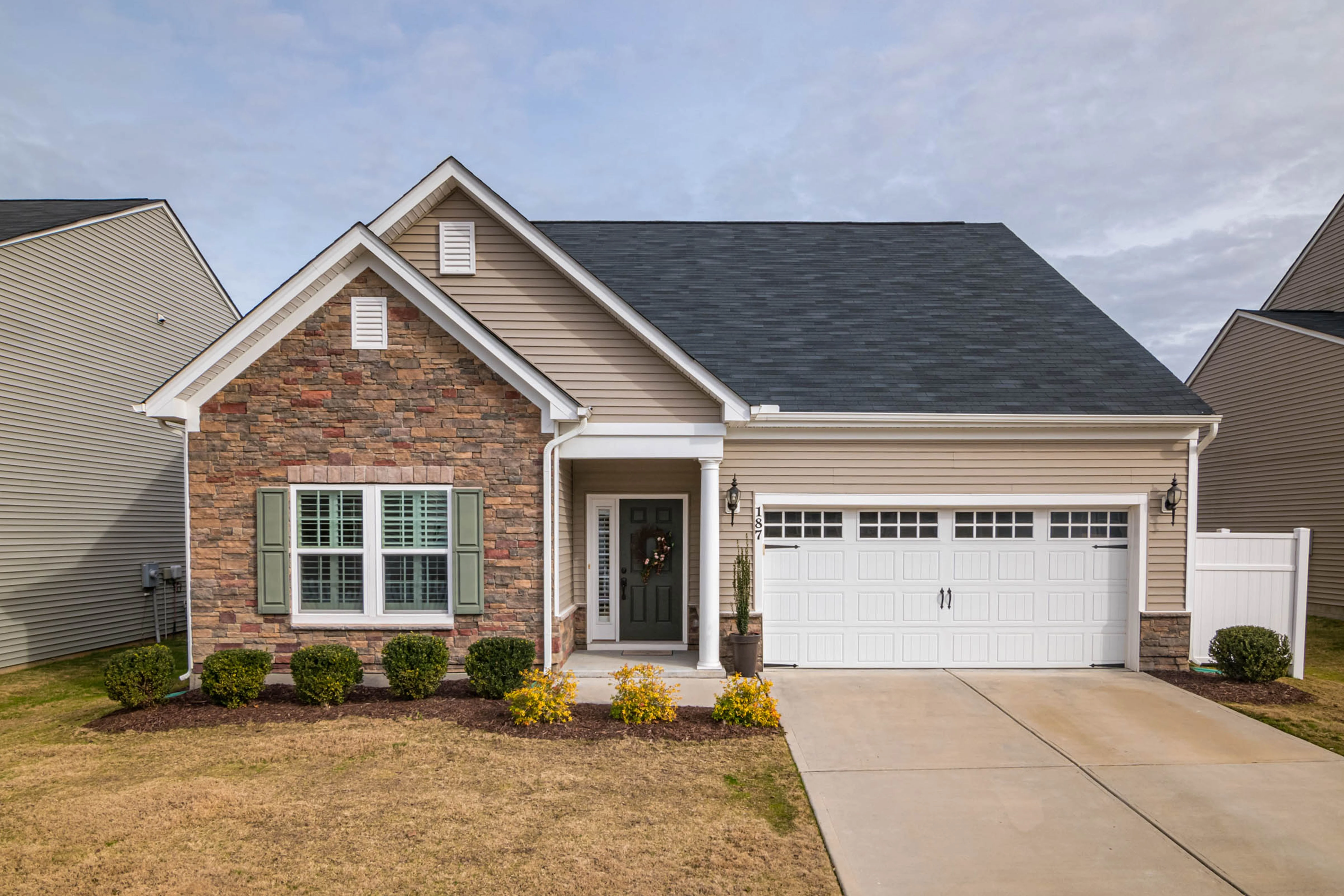
Costa Mesa doesn't get freezing winters, so most homeowners assume a broken torsion spring is a problem for colder states. It isn't. A lot of the housing stock here went up between 1938 and 2005, with the bulk of it dating to the 1960s and 70s across the older tracts near East Side Costa Mesa and Downtown.
That means a large share of the springs still in service are original or close to it, wound decades ago and cycled tens of thousands of times since. Steel fatigues the same way whether it's sitting in a garage in Minnesota or one in Orange County. The difference here is that failure sneaks up on people who've never had a reason to think about it, because nothing dramatic happens to the weather.
The door just goes up and down every day until one morning it doesn't, and the cable is coiled on the floor. Age and cycle count do the damage. The mild climate just means nobody was watching for it.

The area
What the Weather Here Does to It
Costa Mesa sits in a mild temperate band, but mild doesn't mean flat. Coastal nights still drop the temperature in a closed garage well below the daytime high, and that swing, repeated for months, contracts and expands the steel in a spring that's already fatigued from forty or fifty years of lifting a heavy door. You don't need frost for that. A spring with hairline stress fractures from decades of use will let go on the exact morning the metal contracts a little more than usual, which around here tends to be the cooler stretch of the year rather than any single cold snap.
Owners in places with harsh winters expect this. Owners here don't, because they've never had a reason to associate their garage with the weather at all. That's the actual local risk: not extreme cold, but an aging spring meeting an ordinary overnight temperature drop it's no longer flexible enough to absorb.
What we find
When It Stops Being a DIY Job
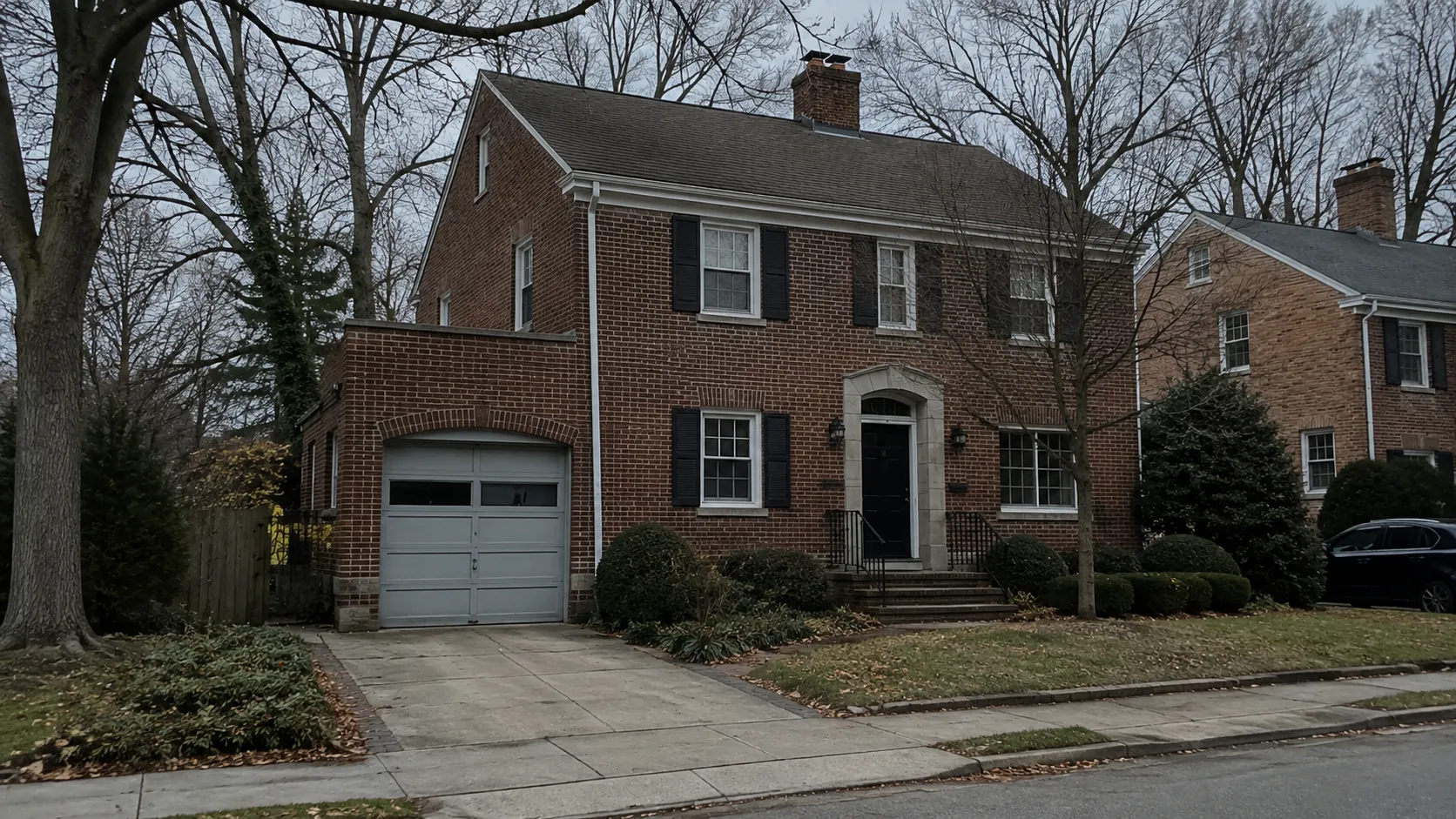
If a spring has already broken, that's not a fix to attempt yourself, regardless of the weather. Torsion springs hold enough stored tension to break a hand or worse, and the tools to safely unwind and rewind one aren't things most garages have lying around. Beyond the spring itself, a lot of the doors on 1960s and 70s-era houses here were built for hardware that's since changed size and mounting style, so a swap isn't always a like-for-like part off a shelf.
If your door is original to a house from that era and one spring goes, the other is usually close behind on the same cycle count, which is worth knowing before you pay for one side twice. We'll tell you straight if a repair is worth doing or if the track and drum are worn enough that replacement makes more sense long-term.
How we work
What Most People Get Wrong
The most common mistake is assuming a mild climate means the door hardware ages slower than it would somewhere colder. It doesn't. What ages a spring is cycles and time, not frost, and a house built in 1970 has had roughly the same number of door openings as an identical house in a colder state built the same year.
The second mistake is waiting for a warning sign. A worn spring on a door built for older-style hardware usually doesn't fray or squeal first, it just breaks. If your door was installed before the 2000s and you don't know when the spring was last changed, that's the piece of information worth having before it fails on you, not after.
Questions
Common questions
Why would my spring break here if it never really gets cold in Costa Mesa?
It's less about hard freeze and more about age and cycle count. Overnight temperature drops, even mild ones, are enough to finish off a spring that's already fatigued from decades of daily use, which describes a lot of the springs still in houses built in the 1960s and 70s around here.
Is my original spring from when the house was built still in there?
It's possible. A large share of Costa Mesa's housing dates to 1938 through 2005, with most built in the 60s and 70s, and plenty of those garages have never had the spring replaced. If you don't know its age, that's worth checking before it breaks on its own.
Should I replace both springs if one breaks?
On a double door with two springs installed at the same time, the second is usually near the same cycle count as the one that broke, so it tends to be close behind. We'll look at the wear on both and give you a straight answer rather than push a two-for-one.
Can I just tighten or lubricate an old spring instead of replacing it?
No. Lubrication helps a healthy spring last longer, but it doesn't reverse metal fatigue, and a spring that's already stress-fractured needs replacing, not maintaining. Tightening isn't a thing you can safely do to a torsion spring at all.
Ready when you are
Need a garage door sorted in Costa Mesa?
Costa Mesa Garage Door Pros repairs and installs garage doors, springs and openers in Costa Mesa, CA and the surrounding area.