
Guide
Your Garage Door Predates the Insulation Code
Most Costa Mesa garage doors date to 1938-2005, well before insulation codes existed. Here's what that older steel means for repair, noise, and replacement costs.
Local detail
The Situation
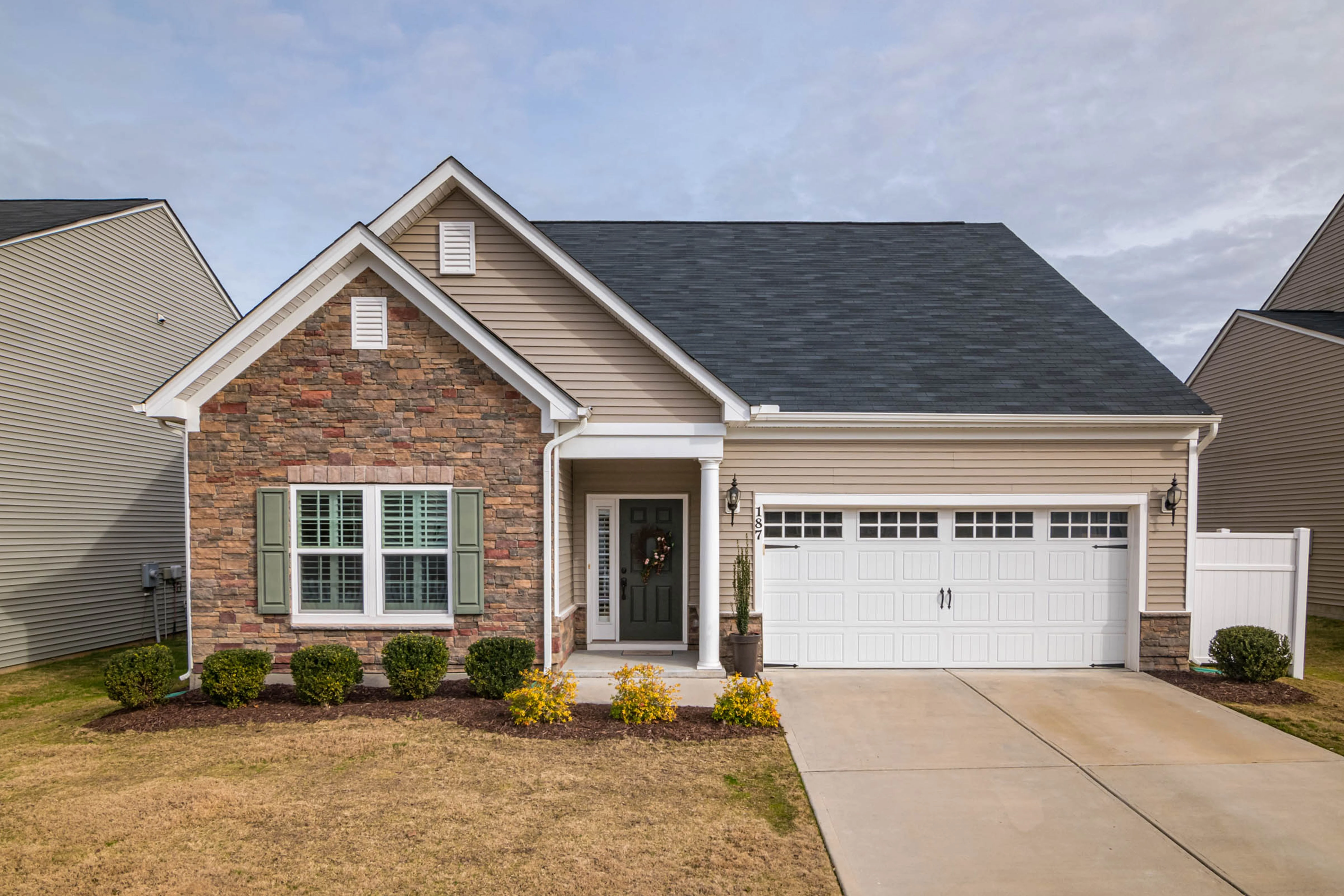
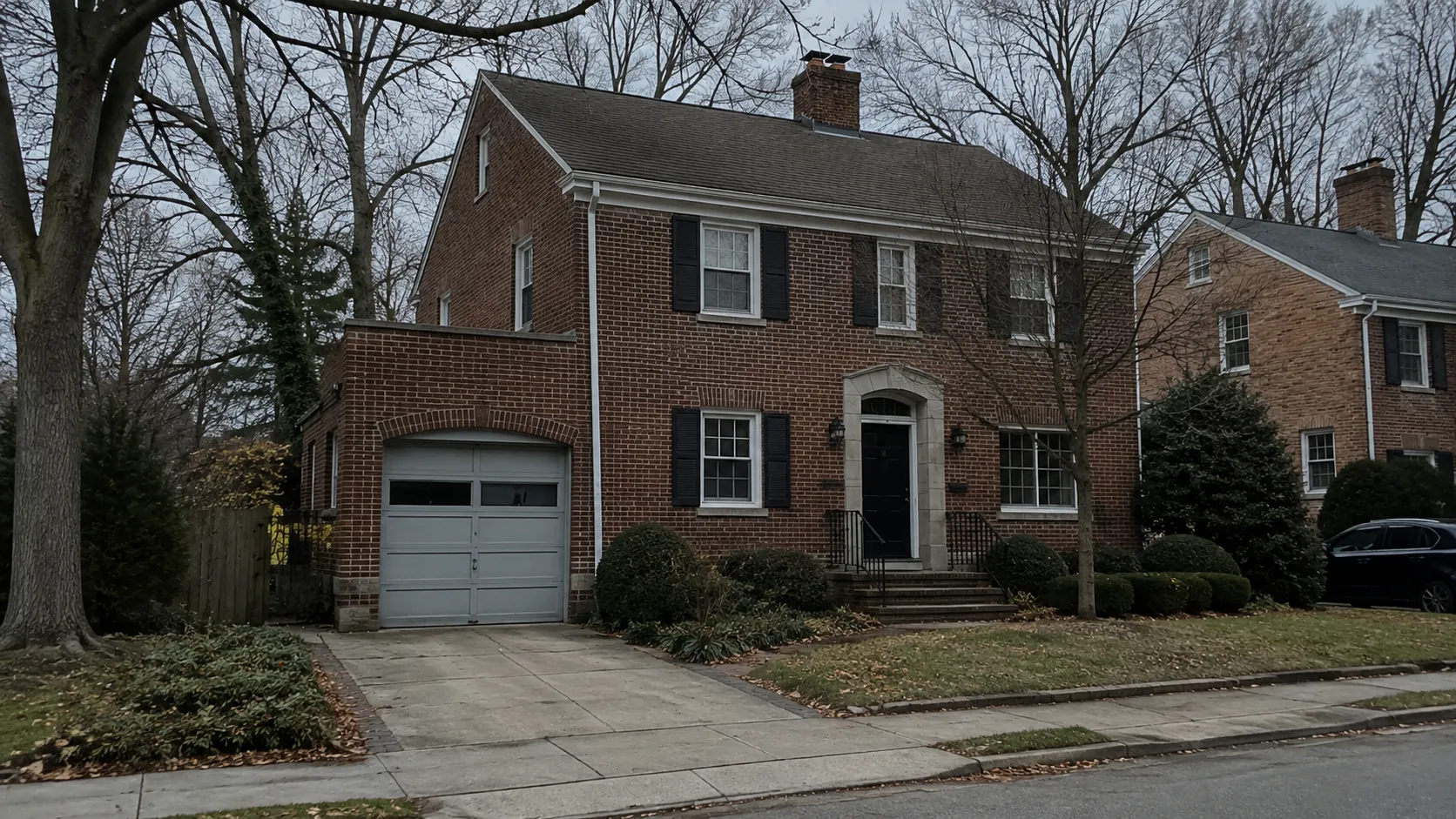
Walk through East Side Costa Mesa, Downtown, or East Bluff and you're mostly looking at houses built between 1938 and 2005, with the median landing around 1970. That number matters more than people think. Insulation requirements for garage doors weren't part of residential energy code when these houses went up, so the original doors - and a lot of the replacements installed since - are single-layer steel or wood with no thermal break at all. Across the wider service area, the pattern holds: 34 named communities, and most of the housing stock in them is 1960s and 70s construction.
That means when we get a call about a door that's noisy, drafty, or just feels thin when you knock on it, the age of the house usually explains it before we even open the panel. It's not a defect. It's just what building standards looked like fifty-plus years ago, and nobody retrofitted the garage when they redid the kitchen.

The area
What the Weather Here Does to It
Costa Mesa sits in a mild temperate band, so we don't get the freeze-thaw cracking or the extreme heat warping that tears up doors in harsher climates. That's the good news, and it's real. But mild doesn't mean irrelevant.
An uninsulated steel door from the 1970 era still transmits outside temperature and outside noise straight into the garage, and if that garage backs onto a bedroom or a laundry room - common in the older layouts around here - you feel it as a cold wall in January and a hot one in August, even without dramatic swings. The panel itself usually survives fine for decades in this climate; what fails first is the hardware around it, since a mild climate doesn't excuse steel from fatigue after thousands of open-close cycles on original springs and rollers that were never built with insulation in mind to begin with.
What we find
When It Stops Being a DIY Job
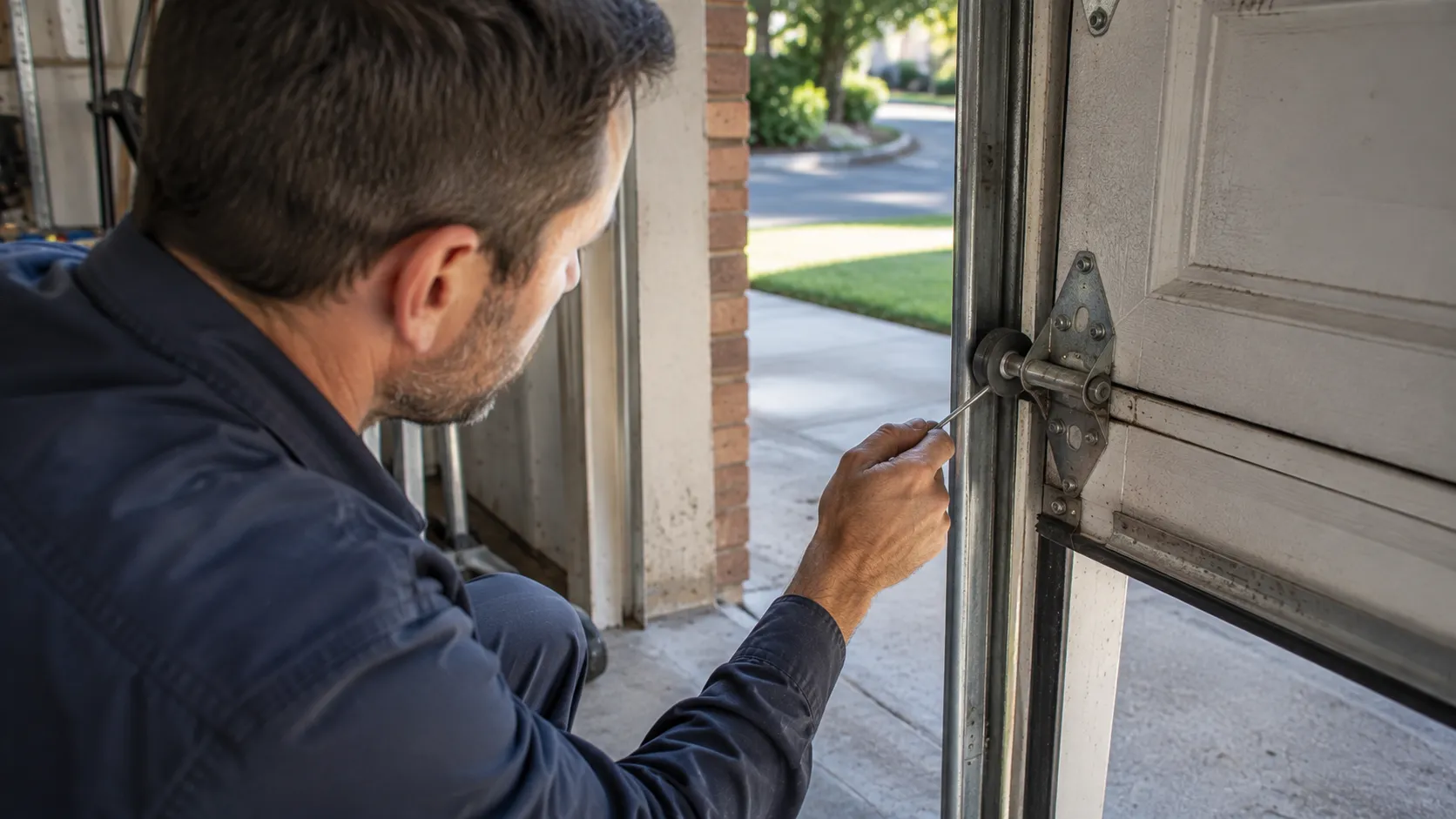
A single-layer steel door from the 1960s or 70s is heavier per square foot than the insulated doors sold today, and the torsion springs sized for it are wound to match that weight. Swap in a lighter insulated panel without recalculating spring tension and you get a door that either won't stay open or slams down too fast - that's spring work, and it's not a weekend project with a socket set.
Same with track: older Costa Mesa garages sometimes have narrower headroom clearances than current standard doors assume, so a straight panel swap without checking the track geometry first can leave you with a door that binds on the frame. If your panel has surface rust through the steel rather than just on the surface, that's also past the point where a patch kit helps - at that stage you're choosing between a full door replacement and living with it, not between DIY and pro.
How we work
What Most People Get Wrong
The most common mistake we see: someone buys an insulated retrofit kit for a door built before insulation was ever expected on that panel, glues foam board to the inside, and wonders why it still rattles. The foam doesn't do anything for the spring balance or the seal at the bottom - it just adds dead weight to hardware that was never rated for the extra pull. The other mistake is assuming every house in the 1938-2005 range has the same setup.
A house from 1970 and a house from 2000 in the same neighborhood can have completely different track spacing and spring configuration, because code and manufacturing both shifted over that stretch. We don't guess based on the build year alone - we look at the actual door and hardware before we say what it needs, because in a service area this spread out across 34 different pockets, no two blocks age exactly the same way.
Questions
Common questions
Why does my garage door feel so cold in winter even though Costa Mesa doesn't get harsh winters?
Costa Mesa's climate is mild, but a single-layer steel door from the 1960s-70s building era has no thermal break at all. It's not extreme cold causing the problem - it's a door built decades before insulation was standard, transmitting whatever temperature is outside straight through the panel.
Can I just add an insulation kit to my old garage door?
You can, but check the springs first. Doors from that 1938-2005 era were balanced for a specific panel weight, and foam kits add weight the original torsion spring wasn't sized for. Added weight on old hardware often means a door that slams or won't hold position.
Is it worth repairing an old door or replacing it?
Depends on the steel. If it's surface rust, a repair usually makes sense. If the rust has gone through the panel, patching won't hold and replacement is the better spend - we tell people this even when a repair would be the easier sale.
Ready when you are
Need a garage door sorted in Costa Mesa?
Costa Mesa Garage Door Pros repairs and installs garage doors, springs and openers in Costa Mesa, CA and the surrounding area.