
Guide
What That Noise From Your Garage Door Is Actually Telling You
Grinding, popping, or slamming from a Costa Mesa garage door usually points to age-specific hardware. Here's how to tell a lube job from a call to a tech.
Local detail
The Situation
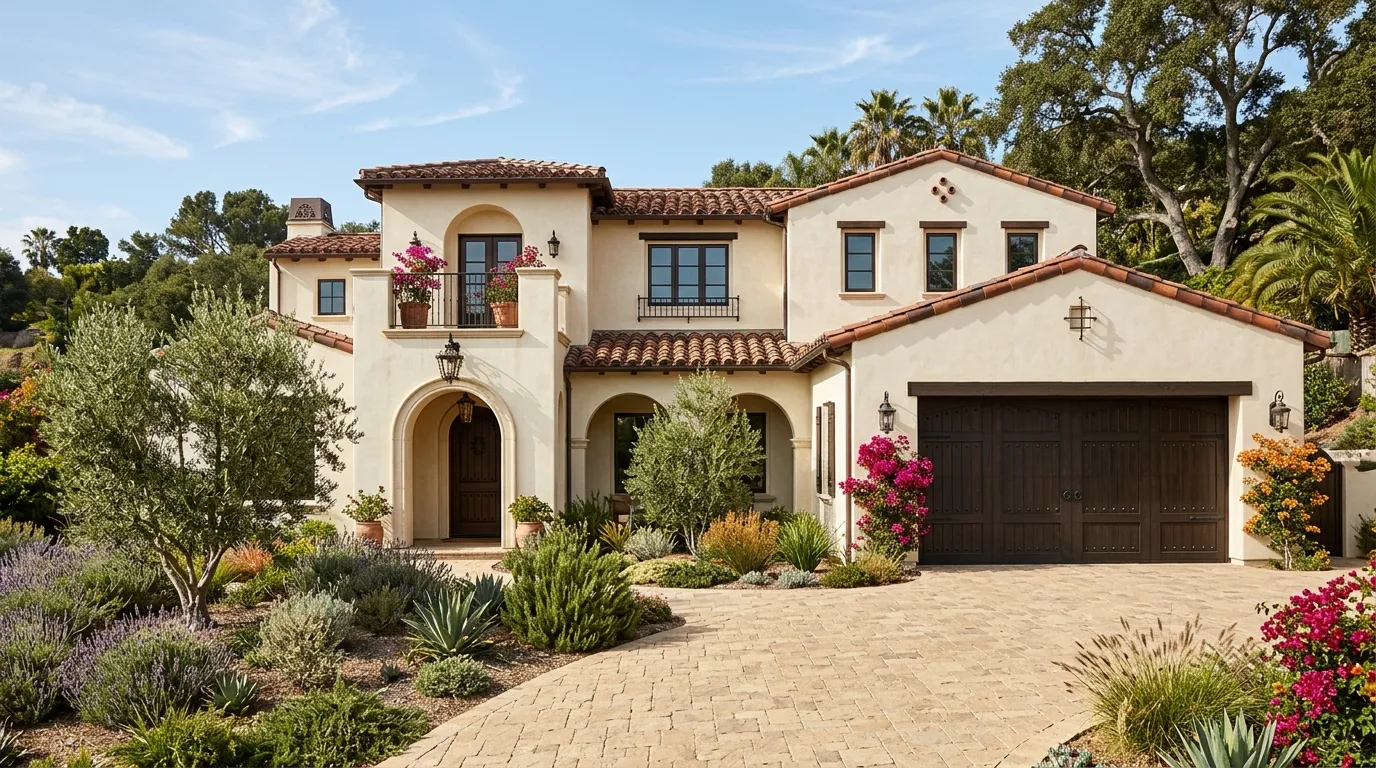
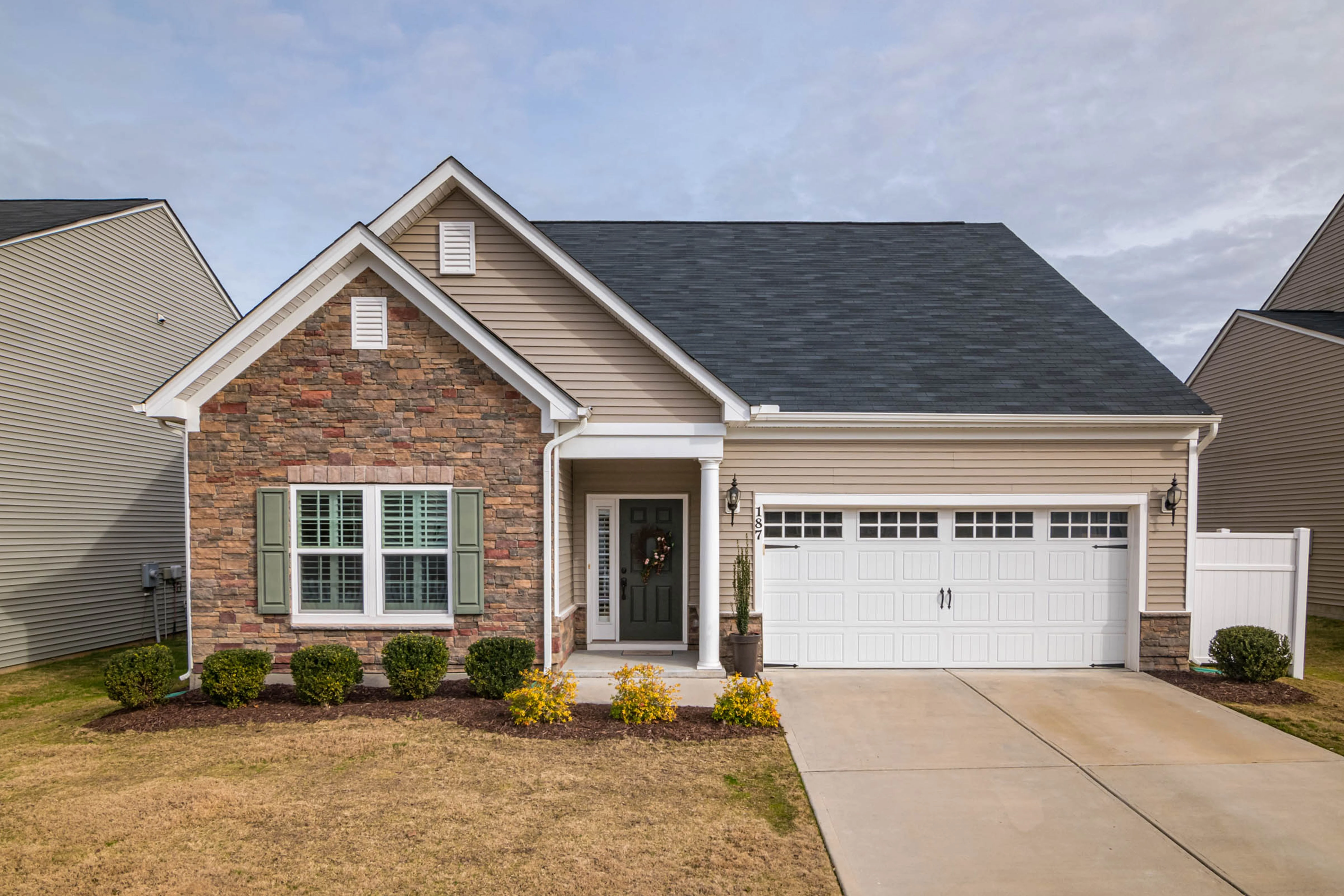
Most of the housing stock around Costa Mesa went up between 1938 and 2005, with the bulk of it dating to the 1960s and 70s - that's true whether you're in Downtown, East Side Costa Mesa, or up toward East Bluff. A door installed on a house built in that window has had decades to develop a personality: a squeal on the way up, a bang halfway down, a rattle when the wind pushes on it. None of that is random. Each sound points to a specific part wearing out, and on a door this old, the part is usually original or close to it.
A rhythmic squeak every few inches is almost always a dry roller or a hinge that hasn't seen lubricant since the Carter administration. A hard bang at the bottom of the travel is slack in the cable or a spring that's lost tension. A metallic pop, not a bang, once or twice during a cycle, is often a spring under load shifting on its winding cone - worth a look before it lets go entirely. If your door sounds different than it did a year ago, something has changed, and it's worth figuring out what before it changes again.
The area
What the Weather Here Does to It
Costa Mesa sits in a mild temperate band, so you're not dealing with the freeze-thaw cracking or ice-jammed tracks that wreck doors in colder climates. That's the good news, and it's real. What you do get is steady wear from daily temperature swings and salt-tinged marine air drifting in off the coast, which slowly works corrosion into exposed hardware - hinges, roller stems, the ends of torsion springs - especially on doors that have sat in place since the 1970s without the hardware ever being swapped.
The noise this produces is different from cold-weather noise. It's not a sudden crack from contraction; it's a slow-building grind as corrosion roughens a surface that used to be smooth. A roller that used to turn quietly starts to catch. A hinge pin that used to pivot clean starts to squeak under load. Because the climate here doesn't force the issue the way a hard winter would elsewhere, these small failures get ignored for years - until the day the door doesn't want to move at all.
What we find
When It Stops Being a DIY Job
A can of white lithium grease on the rollers and hinges handles a lot of squeaking, and there's no reason to call anyone for that. But a few sounds mean stop and call, not spray and hope.
If you hear a loud bang followed by the door refusing to move, or moving unevenly with one side dropping faster than the other, that's a broken spring or a snapped cable - the door is under enough tension to cause real injury, and this is not the job to learn on. If the noise is coming from the opener motor itself - a grinding or straining sound as it works - that's a mechanical problem inside a sealed unit, not something a homeowner can lubricate their way out of.
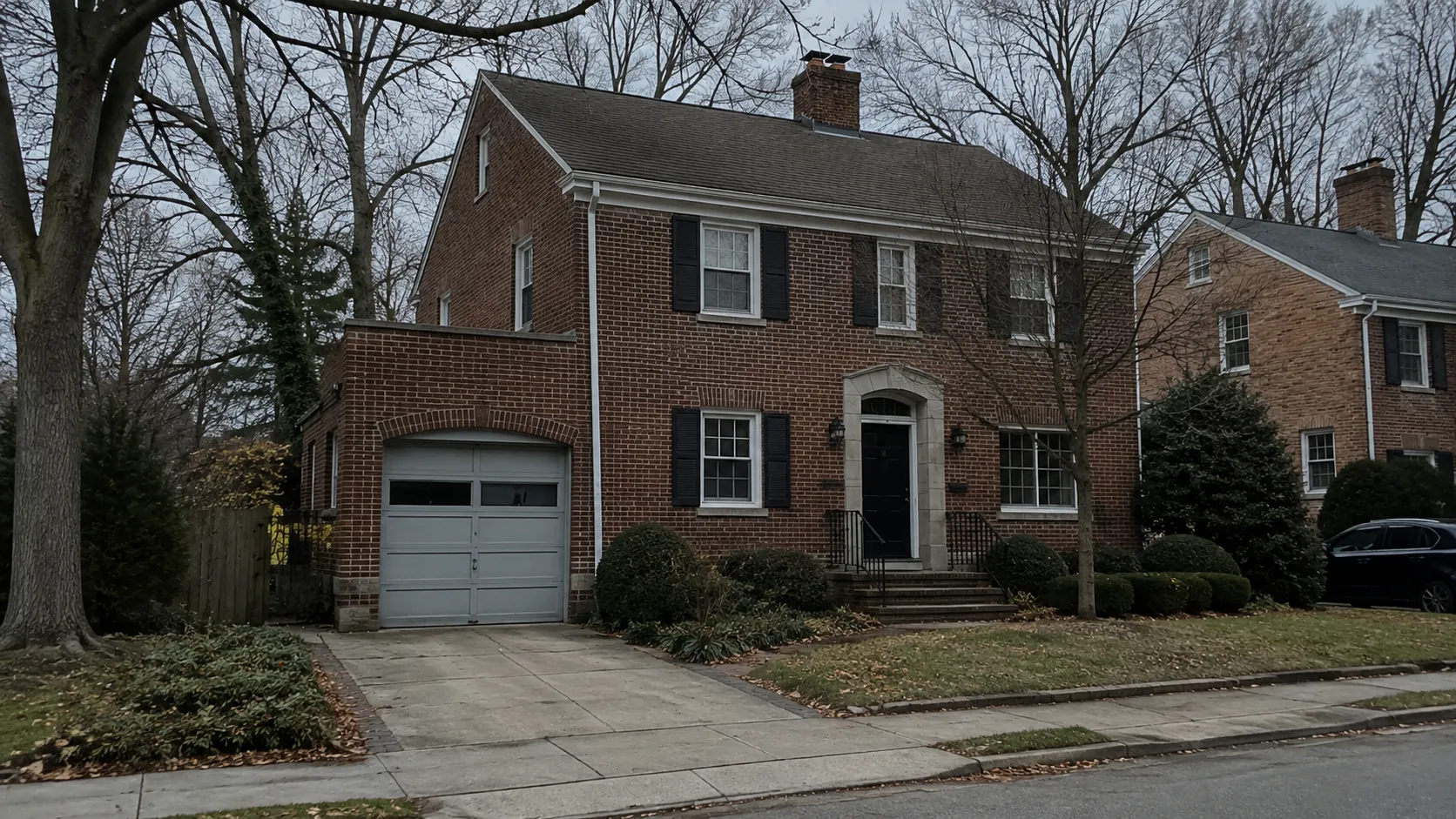
Given how much of this area's housing dates to the 1960s and 70s, a fair number of these doors are running original springs and cables that were never designed to last this long. At that age, the honest call is often replacement of the hardware rather than a patch job - a spring that's original to a house built in 1968 has had a long run already, and one repair now doesn't mean another isn't coming soon after.
How we work
What Most People Get Wrong
The most common mistake is treating every noise as a lubrication problem. Grease quiets things down temporarily even when the real issue is a bent track or a spring that's already lost most of its tension - so the noise goes away for a week or two and comes back louder. The second most common mistake is the opposite: assuming any noise on an older door means the whole unit needs replacing. A lot of the doors we see in this service area, from Costa Mesa itself out to places like Westminster and Stanton, are structurally fine. It's the moving hardware - rollers, hinges, cables - that's tired, not the door panel.
We don't do same-day emergency dispatch for every call that comes in, so if a spring lets go on a Sunday night, it may be Monday before someone's at the door. That's worth knowing going in. What we can tell you over the phone, from the sound alone, is usually enough to tell you whether it's safe to wait.
Questions
Common questions
My garage door squeaks every time it opens. Is that serious?
Usually not. A rhythmic squeak on the way up or down is almost always a dry roller or hinge, especially common on the older hardware still running in a lot of houses built in the 1960s and 70s around Costa Mesa. Lubricate the rollers and hinge pins with white lithium grease. If the squeak comes back within a week, something's wearing unevenly and it's worth a look.
Why does my door bang loudly at the bottom?
That's usually cable slack or a spring that's lost tension, not something wrong with the door panel itself. On older doors - plenty around here date back to the 1970s - the springs have simply had more years to fatigue. A hard bang means the door isn't decelerating the way it should, and that's a hardware fix, not a lubrication fix.
Does the coastal air really affect garage door hardware?
Yes. Costa Mesa sits in a mild temperate climate, so you're spared freeze-thaw damage, but the marine air carries salt that slowly corrodes exposed hinges, roller stems, and spring ends. On hardware that's decades old, that corrosion shows up first as noise - a grinding or catching sound - before it shows up as a failure.
Is a grinding sound from the opener itself a big deal?
It can be. A grinding or straining noise coming from the motor unit, not the door, usually points to an internal gear or drive problem that lubrication won't fix. That's inside a sealed housing, so it's not a DIY repair. Worth calling in before the opener stops working entirely.
Ready when you are
Need a garage door sorted in Costa Mesa?
Costa Mesa Garage Door Pros repairs and installs garage doors, springs and openers in Costa Mesa, CA and the surrounding area.