
Guide
Openers and Power Cuts in Costa Mesa Garages
Costa Mesa's 1960s-70s housing stock and mild climate mean opener failures during power cuts are electrical, not weather-driven. Here's what that means for your door.
Local detail
The Situation
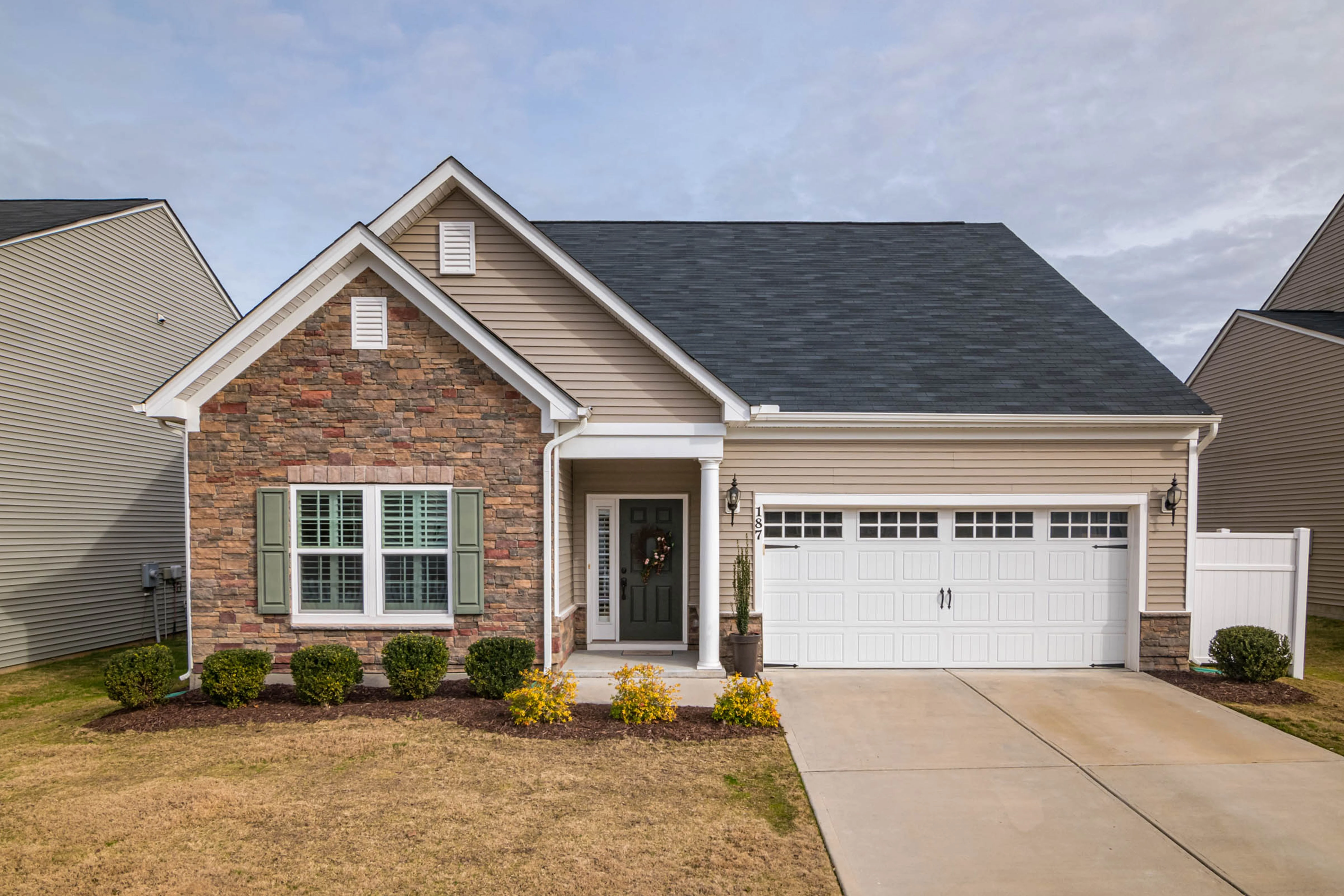
Most houses across this service area went up between 1938 and 2005, with the median build year sitting around 1970. That puts a lot of Costa Mesa garages, from East Side Costa Mesa to Downtown to East Bluff, on openers that are either the original chain-drive units from that era or a first-generation replacement installed sometime in the 80s or 90s. Neither of those came standard with battery backup. The garage circuit in a house from that period was usually a single duplex outlet wired for a bulb and maybe a radio, not a modern opener pulling a startup surge plus a WiFi module plus a backup charger.
So when the power goes out, an opener from one of these 34 named neighborhoods doesn't fail because the door is heavy or the spring is weak. It fails because the only power source it ever had just disappeared, and there's nothing behind it to pick up the load. The manual release cord becomes the only way in or out until power's back.

The area
What the Weather Here Does to It
The climate band here is mild temperate, so the door itself doesn't take the abuse it would somewhere with hard freezes or heavy humidity swings. Steel panels don't swell, tracks don't ice over, seals don't crack from cold the way they do elsewhere. That's a real advantage and it means we're not chasing weather-driven repairs the way a colder-climate company would be. But mild weather doesn't mean the grid is quiet.
Coastal-influenced circuits still see brief outages, planned shutoffs, and voltage sags, and a motor with a 40-plus-year-old starting capacitor is exactly the kind of load that stalls or hums instead of cutting out cleanly when voltage drops rather than disappears entirely. In a harsher climate the worry is ice locking the track. Here the failure mode during a power event is electrical - a partial current reaches an old motor, it tries to run anyway, and it overheats or trips the breaker instead of just stopping.
What we find
When It Stops Being a DIY Job
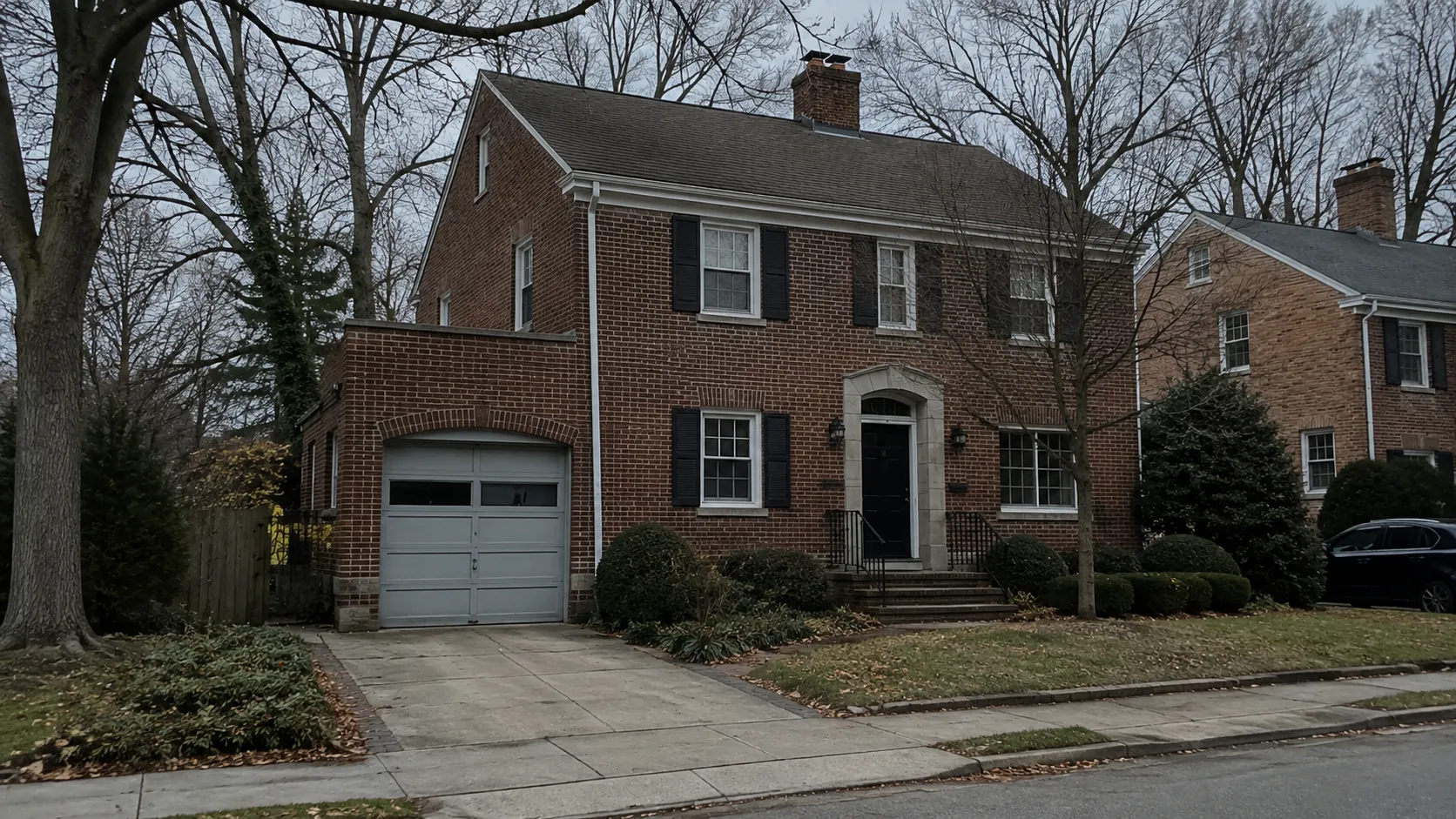
Resetting a tripped breaker or pulling the manual release cord is fine to do yourself. Rewiring a garage circuit that predates GFCI requirements, or diagnosing why a decades-old motor hums but won't engage after a brownout, is not. If your opener is original to a house built in that 1960s-70s window this area is known for, the motor windings and capacitor have likely never been touched, and a partial-power event can be the thing that finally cooks them for good.
At that point you're not looking at a reset, you're looking at a replacement, and pushing a dead motor to keep trying only risks the drive gear or the logic board on any newer control panel someone bolted on later. We'll tell you straight when a unit is done rather than patch something that's going to fail again in the next outage.
How we work
What Most People Get Wrong
The most common mistake is assuming a battery backup unit will ride out any outage indefinitely. It won't - it buys you a limited number of cycles, not open-ended power. The second mistake, common in a market with a median household income over $113,000, is assuming an expensive opener automatically means a resilient one; price doesn't fix a garage circuit that was never built for the load.
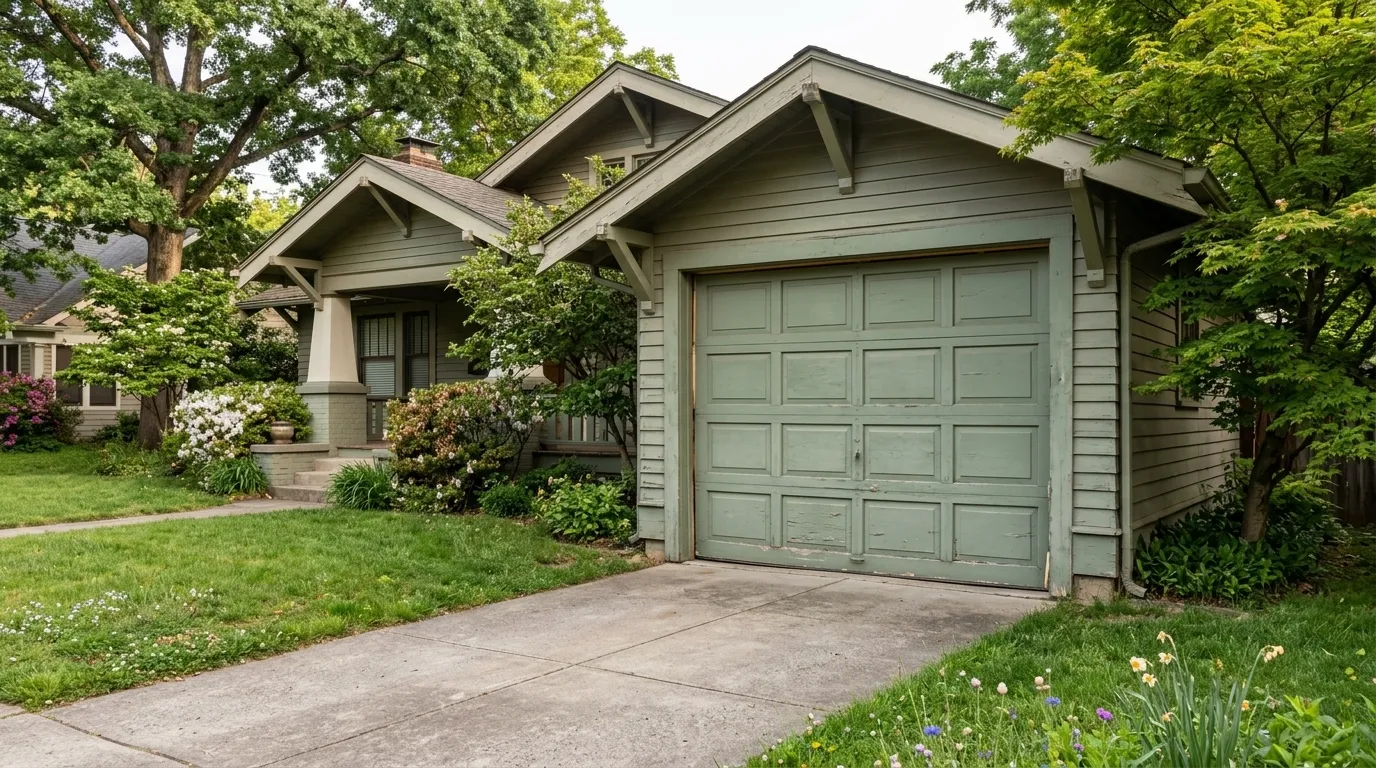
And the third is waiting until a power cut to find out the manual release cord is painted shut or buried behind storage, which happens often in garages that have had the same opener since the house was built. None of that is dramatic, it's just neglect catching up at the worst moment. A five-minute check of the release mechanism before there's ever an outage costs nothing and saves the 11pm scramble.
Questions
Common questions
Will my garage door opener work at all during a power cut?
Not unless it has a battery backup, and most openers original to houses built in the 1960s-70s stock common across this area don't have one. Without backup power, the opener won't respond to the wall button or remote at all - you'll need the manual release cord to open the door by hand until power returns.
Is Costa Mesa's mild climate hard on garage openers?
Not directly. The mild temperate band here means panels and hardware don't take the freeze-thaw or heavy humidity stress that causes weather-driven failures elsewhere. Opener failures during outages here are almost always electrical - old motors and capacitors reacting badly to a voltage sag - rather than anything the climate itself did to the door.
Should I add a battery backup to an old opener?
If your opener dates to the original install on a house from the 1960s-70s era common in this area, a backup unit may not be worth wiring into a motor that old. Often the better move is replacing the opener outright, since a new unit brings backup power and a motor that isn't already decades past its expected life.
Why did my opener trip the breaker during a brownout?
Older motors with aging starting capacitors don't handle partial voltage well. Instead of a clean shutoff, the motor tries to run on reduced power, draws more current than the old circuit was rated for, and trips the breaker or overheats. This is common on original garage circuits that predate GFCI and modern load standards.
Ready when you are
Need a garage door sorted in Costa Mesa?
Costa Mesa Garage Door Pros repairs and installs garage doors, springs and openers in Costa Mesa, CA and the surrounding area.