
Guide
What a Service Call Actually Covers in Costa Mesa
What a Costa Mesa Garage Door Pros service call includes on this city's 1938-2005 housing stock, mild coastal climate, and when a repair turns into a bigger job.
Local detail
The Situation
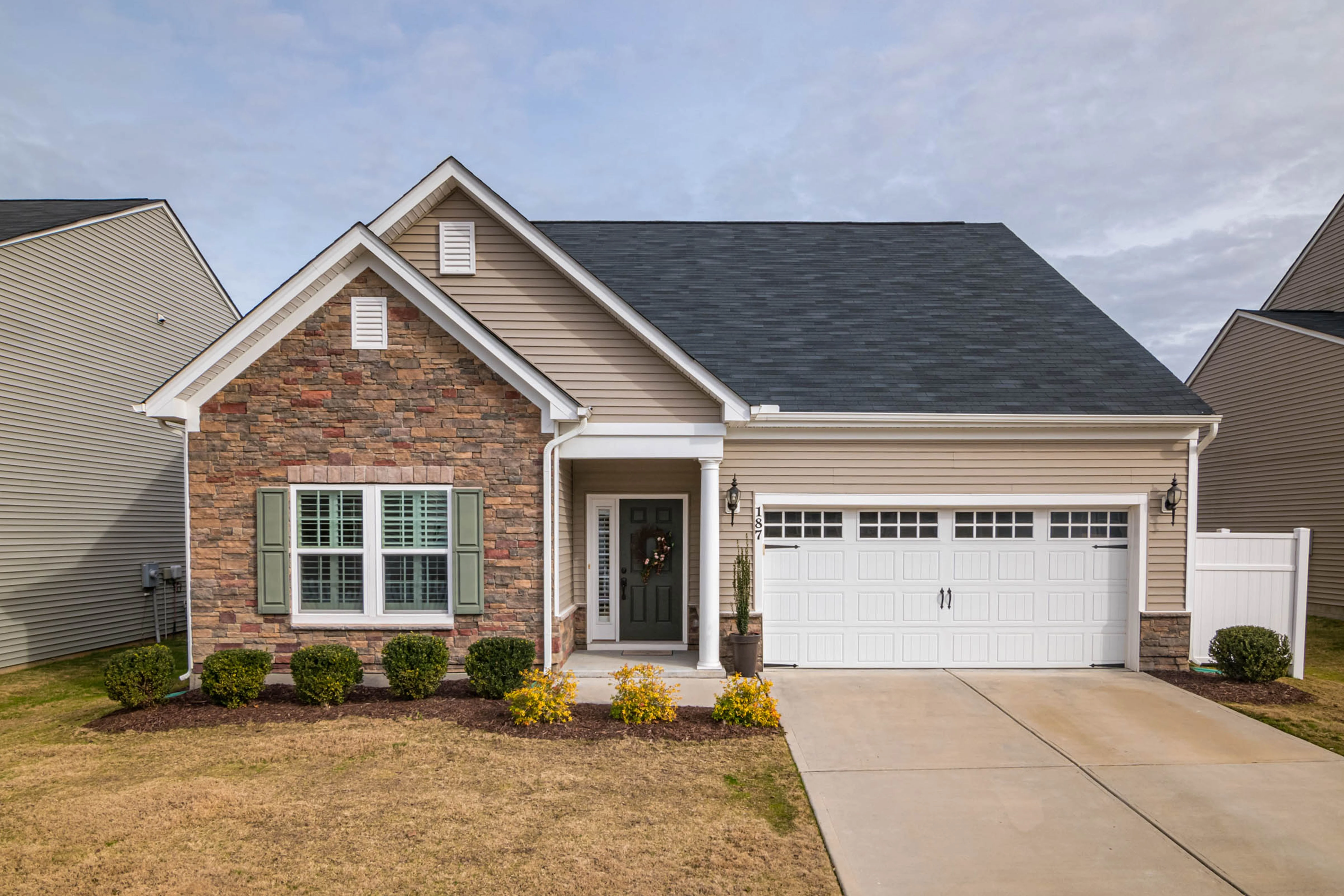
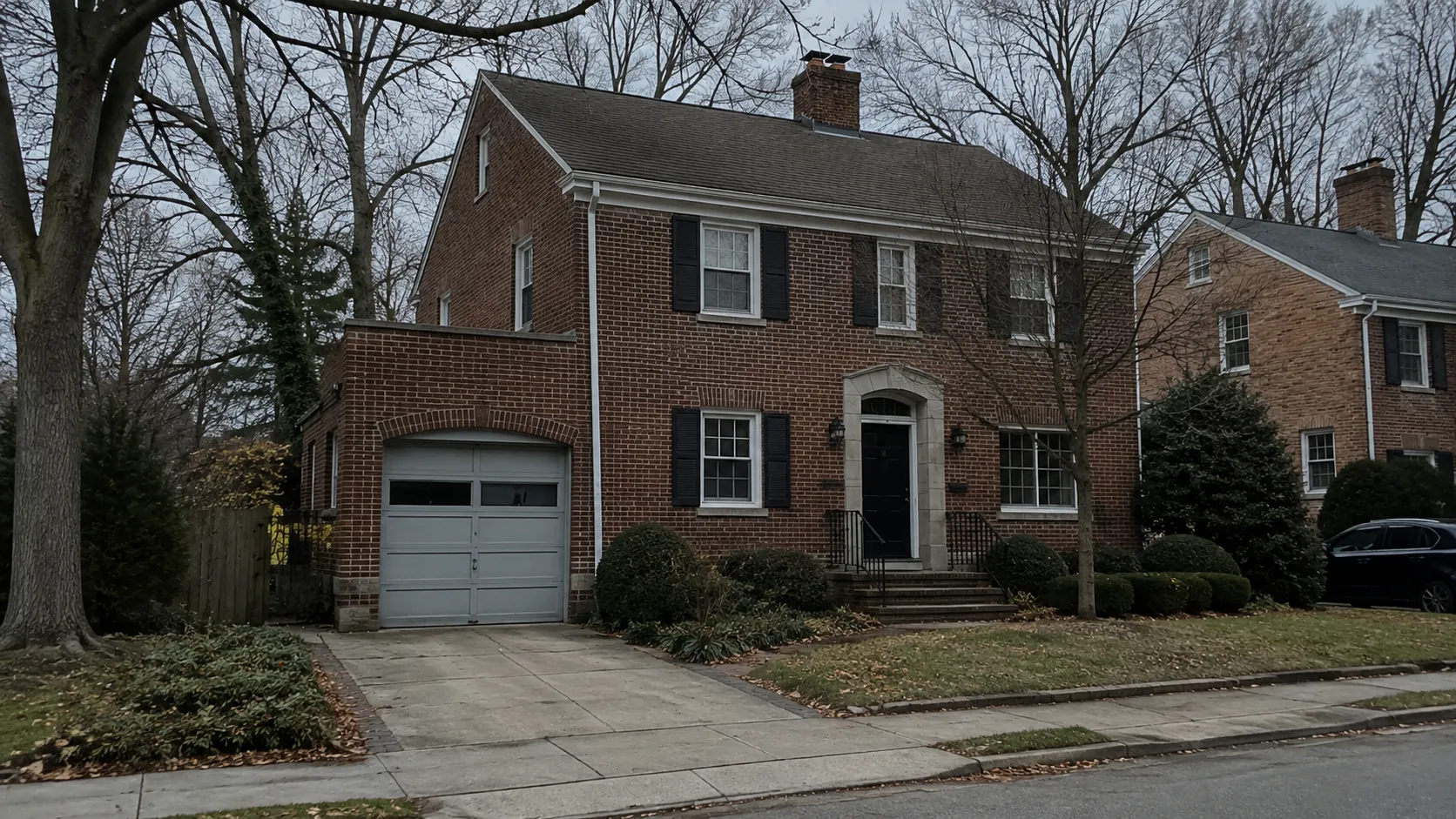
Most of the housing stock in Costa Mesa went up between 1938 and 2005, with the median sitting around 1970 and the bulk of it concentrated in that 1960s-70s wave. That matters because a service call on a house in East Side Costa Mesa or East Bluff is rarely the same job as one two miles away in Downtown, even though both fall inside that same build window. A 1962 tract house typically still has its original torsion tube and a bracket pattern that newer hardware doesn't bolt straight onto. A 1990s build in the same neighborhood might already have a retrofit opener and updated cable drums from a prior remodel.
A service call starts with figuring out which era of hardware you're actually standing in front of, not just what's broken. We check the spring wind, the drum size, the track gauge, and whether the panel material matches what the local supply houses still stock for this age of door. On the older end of that 1938-2005 range, that's often a mismatch - the door is original, the springs have been replaced once already with something close but not exact, and the roller brackets show it. None of that shows up on a phone call. It shows up when someone's hands are on the door.
We also look at whether the opener is original to the door or added later, since Costa Mesa's older stock frequently has openers bolted onto doors from a decade or two before the opener itself.

The area
What the Weather Here Does to It
Costa Mesa sits in a mild temperate band, and that's mostly good news for a garage door. You're not dealing with the freeze-thaw cycles that crack panel seams or the deep cold that stiffens spring steel and shortens its cycle life. Doors here tend to fail from age and use rather than from a hard winter working against the hardware.
But mild doesn't mean nothing happens. Steady moderate temperatures mean lubricant on tracks and rollers doesn't get burned off by seasonal extremes, so a lot of the buildup we scrape off older doors here is just decades of grease and dust that never got a hard reset from weather doing the job for you. On a house from that 1960s-70s core of the housing stock, that often means a track that looks fine and rolls rough, because the grime has never been forced out.
We won't tell you Costa Mesa's climate is grinding your door down the way a harsher climate would elsewhere - it isn't. The honest version is that a mild climate lets a slow mechanical problem go unnoticed longer, because nothing forces it to fail suddenly. A spring that's lost tension does so quietly here, not with a bang in a January cold snap.
What we find
When It Stops Being a DIY Job
A door on a house built in that 1938-1970 stretch, if it still has its original torsion spring setup, is not a spring you should be loosening yourself. Torsion springs on any door built before universal safety cables became standard carry enough stored force to do real damage, and a lot of Costa Mesa's older stock predates that hardware update entirely.
Where we draw the line: if the door is a single spring on a double-car door, or the drums show visible wear, or you can't find a manufacture stamp on the spring at all, that's a call, not a project. Cable replacement on a two-cable system is the same story - one side loosens while you're working on the other and the door comes down unevenly, sometimes onto whatever's under it.
What's fine to handle yourself: tightening loose hardware, cleaning and lubricating tracks and rollers, replacing weatherstripping at the base of the door, and swapping worn remote batteries. None of that involves stored tension. If you're not sure which category a job falls into, that uncertainty is itself the answer - call before you start.
How we work
What Most People Get Wrong
The most common mistake we see on Costa Mesa calls is treating the door as one system when it's really two: the door and hardware, and the opener. Someone replaces an opener on a 1970s-era door assuming the new unit will fix a door that drags or binds, and it doesn't, because the drag was in the track alignment or the springs the whole time. The opener just makes the same bad mechanics louder.
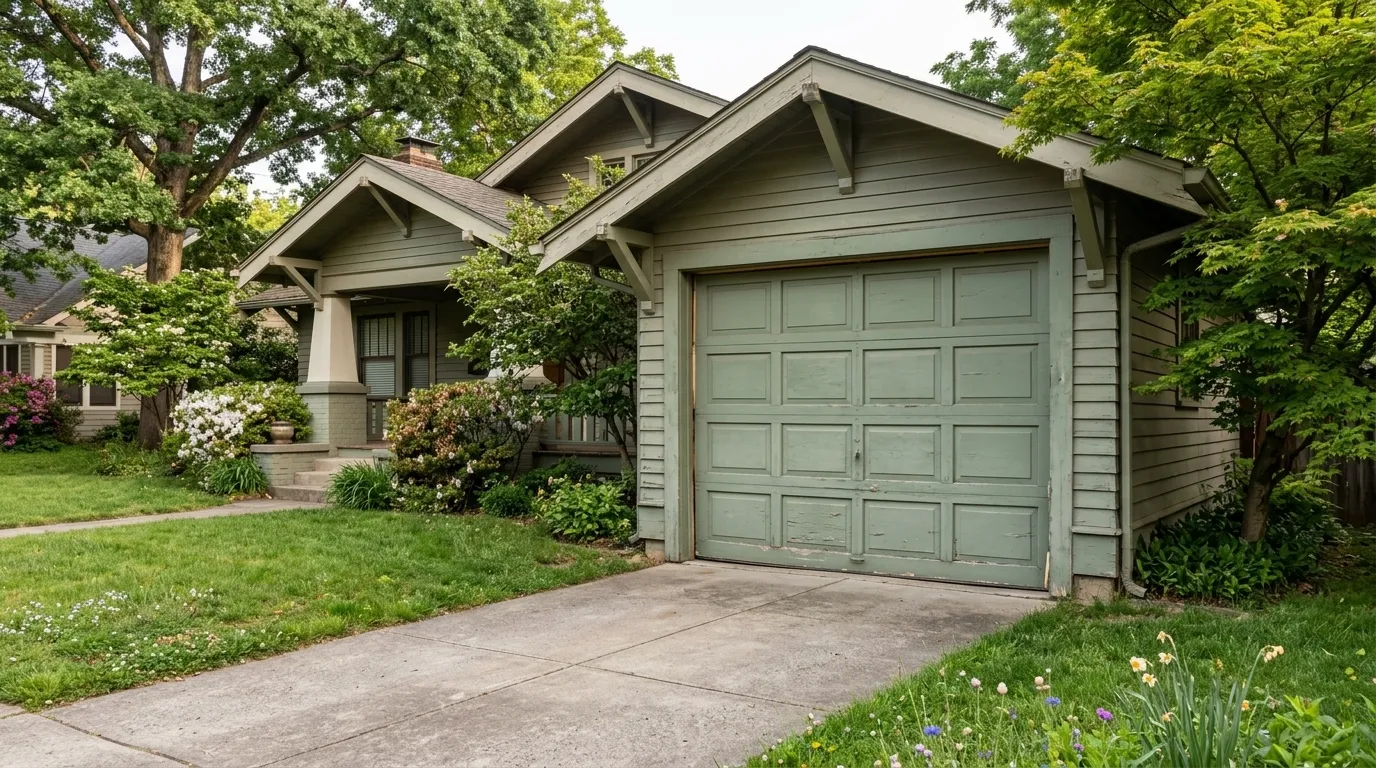
The second mistake is assuming a door built in the earlier part of that 1938-2005 window can take a generic replacement part. A lot of the older doors in this city's stock were sized and hung to specs that current standard hardware doesn't quite match - track width, drum diameter, or panel thickness. A part that's close but not exact will run for a while and then fail again, usually at a worse moment.
The honest limitation here: we don't stock every legacy part for every house built in this range, and some of the oldest doors need a part ordered rather than pulled off the truck. If that's your situation, we'll tell you upfront instead of forcing a near-fit part onto your door.
Questions
Common questions
Is my garage door old enough to need special parts?
If your house was built toward the early end of Costa Mesa's 1938-2005 housing range, especially the 1960s-70s core that makes up most of the local stock, your door may use a track width or drum size that current standard hardware doesn't match exactly. We check this on the call before ordering anything.
Does Costa Mesa's climate affect how often I need service?
The mild temperate climate here is easier on garage door hardware than a harsher climate would be, but it also means slow problems like lubricant buildup or gradual spring wear don't announce themselves the way sudden weather stress would elsewhere. Regular checks catch what the weather here won't force to the surface.
Can I replace a torsion spring myself?
No. Torsion springs store enough force to cause serious injury, and a lot of Costa Mesa's older housing stock still has original torsion hardware that predates modern safety cable standards. This is one of the clearest lines between a DIY task and a call.
Why did a generic replacement part fail on my door?
Houses in Costa Mesa built earlier in the 1938-2005 range sometimes have hardware sized to older specs. A near-fit replacement part can work temporarily and then fail again. We check the original spec before ordering rather than assuming a standard part will hold.
Ready when you are
Need a garage door sorted in Costa Mesa?
Costa Mesa Garage Door Pros repairs and installs garage doors, springs and openers in Costa Mesa, CA and the surrounding area.