
Broken Torsion Springs
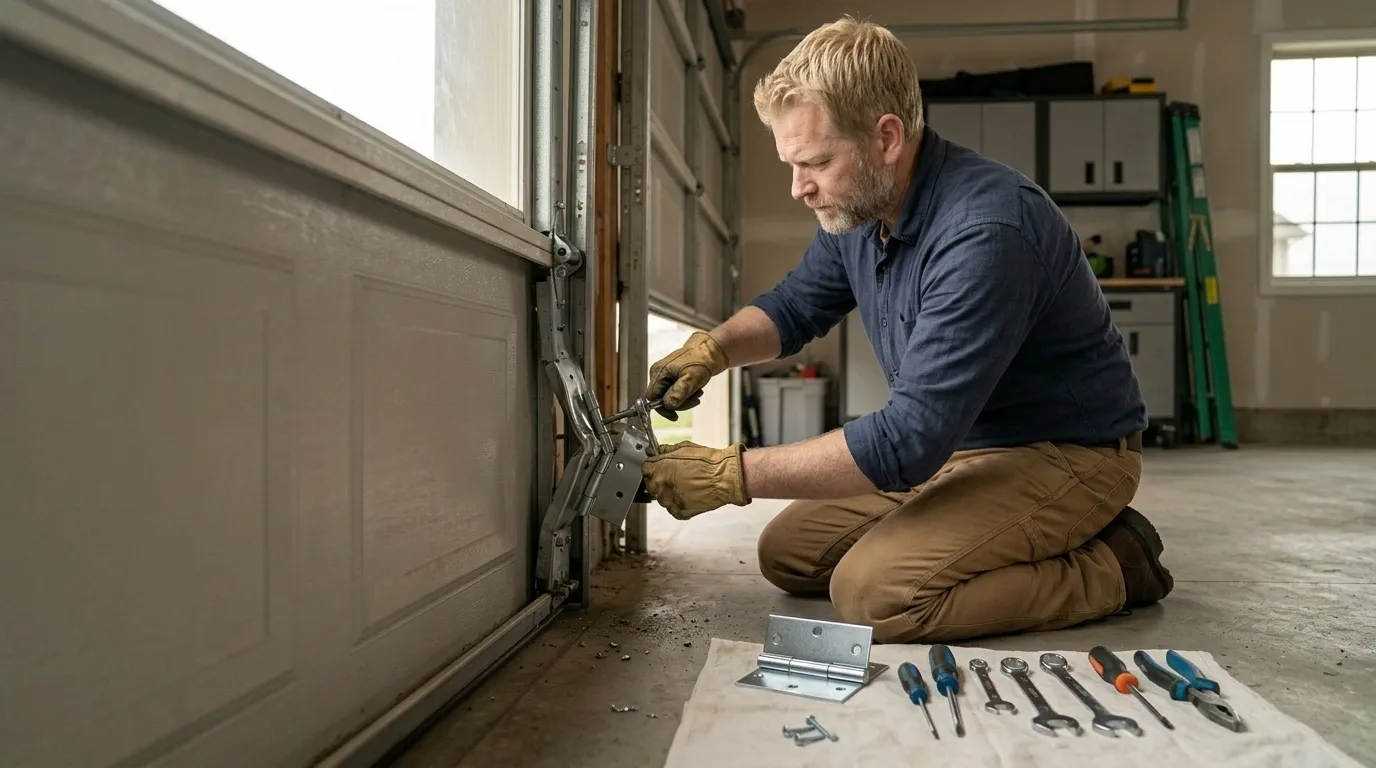
Older torsion springs can reach the end of their cycle life after years or decades of daily use.
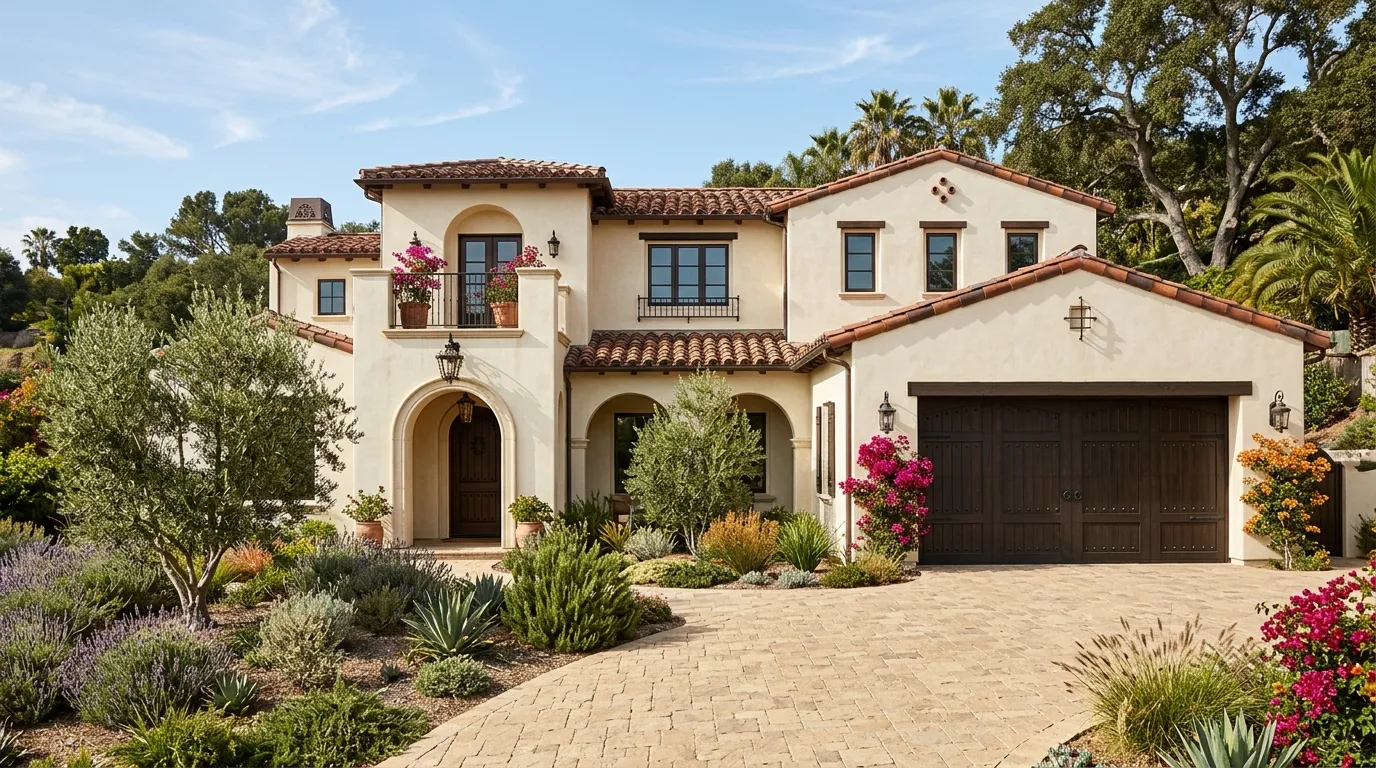
LOCAL GARAGE DOOR SERVICE • COSTA MESA, CA
Garage door repair for Costa Mesa homes built from 1938 to 2005, covering springs, openers, tracks, cables, rollers, panels, and the mix of older and newer residential hardware found from East Side Costa Mesa to Downtown and East Bluff.
GARAGE DOOR SERVICES
From broken torsion springs and frayed cables to opener failures, worn rollers, track alignment, damaged panels, and full replacement, we work on the garage door systems common across Costa Mesa's wide housing-age range.
COMMON COSTA MESA GARAGE DOOR PROBLEMS
Given how much of the local stock dates to the 1960s and 70s, the most common call is a torsion spring that's finally given out after decades of cycles, or a cable frayed through on a door that hasn't been serviced in years. The mild coastal climate means freeze-thaw isn't the driver here - most failures come down to mechanical wear and age. On the newer end of the range, houses built closer to 2005 tend to have factory openers with circuit boards and sensors that fail rather than the older mechanical setups. Rollers wearing out and tracks going out of alignment show up across both older and newer systems, since both see years of daily operation.
Older torsion springs can reach the end of their cycle life after years or decades of daily use.
Older cables gradually wear and fray, especially on systems that haven't had hardware service in years.
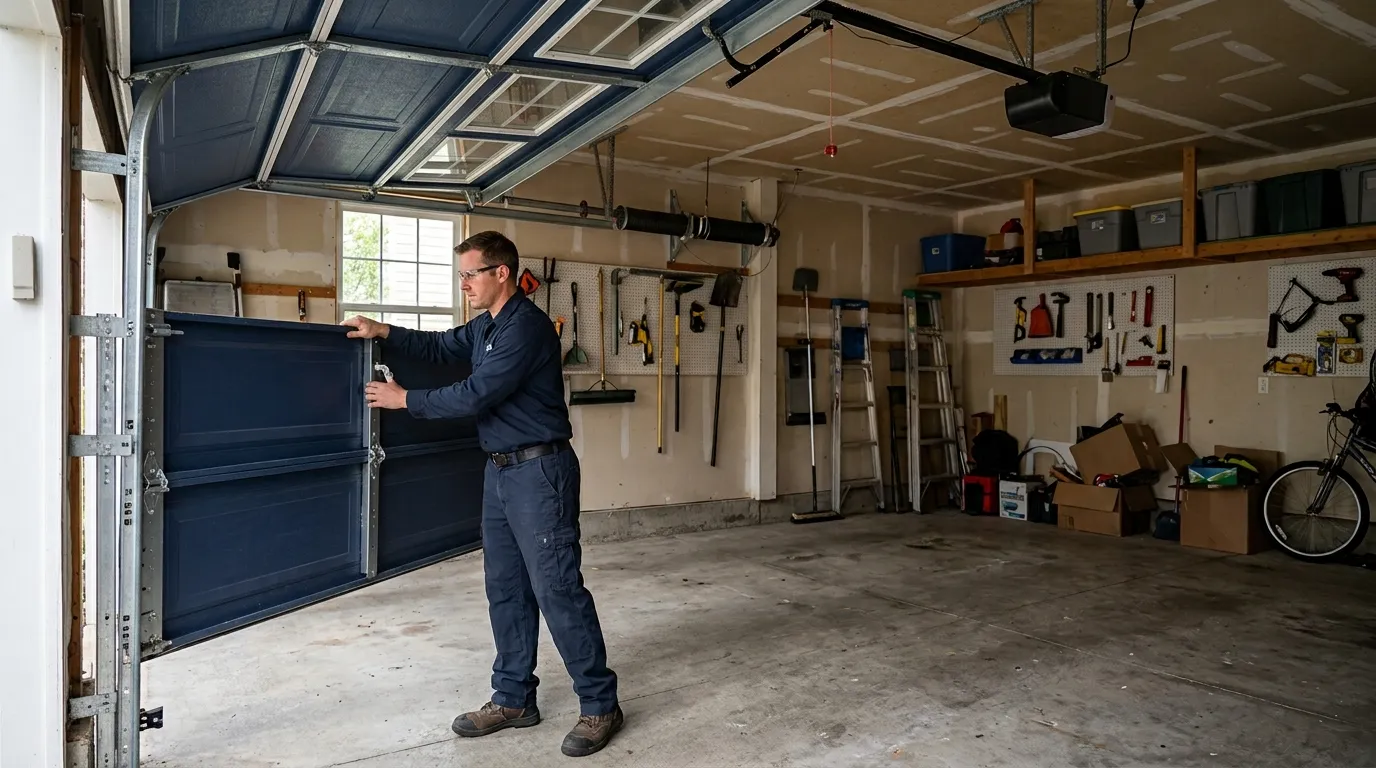
Newer garage doors more often develop logic-board, sensor, or other opener-electronics problems.
Rollers wear across every housing era, causing rough, noisy, or uneven door movement.
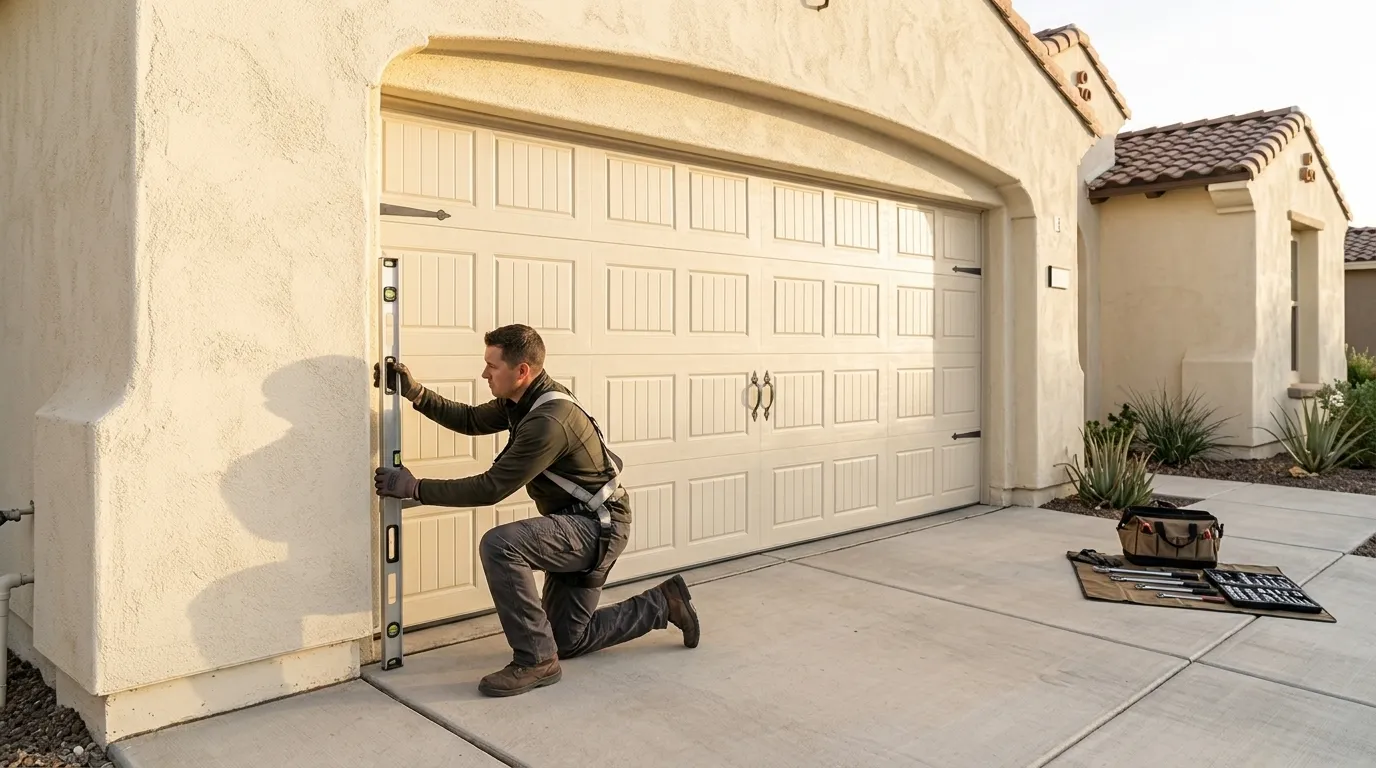
Track alignment can deteriorate over time and create binding or uneven movement that may resemble another mechanical failure.
Mild weather doesn't stop cycle wear - springs, cables, rollers, and decades-old opener systems still age on their own schedule.
LOCAL HOUSING MATTERS
Across the service area there are roughly 395,886 households and about 157,164 owner-occupied houses, and the housing itself spans 1938 through 2005 with a median build year around 1970.
That wide age range means two doors on the same street can be completely different jobs - one may still use an older one-piece door or legacy hardware, while the next has a newer sectional door and modern opener installed after a remodel.
A door's actual age isn't always the same as the house's age. Many older homes have had doors or openers replaced, while some newer homes are still running builder-grade equipment that's now aging. That's why we ask about both the house and the garage door before choosing parts.
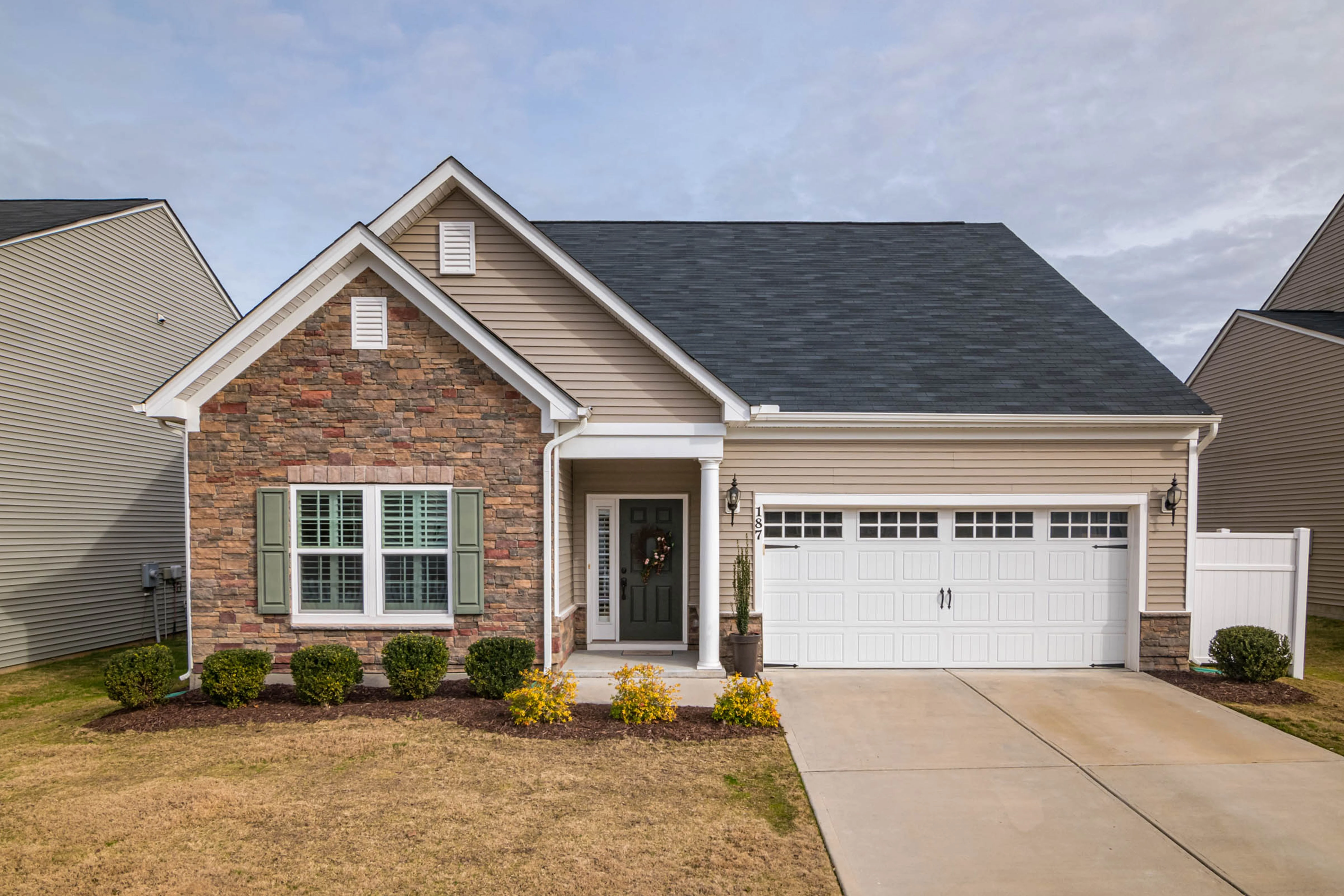
MULTIPLE GENERATIONS OF GARAGE DOORS
Homes spanning from pre-war construction through the early 2000s create a mix of older one-piece doors, legacy torsion hardware, newer sectional doors, and modern opener systems.
Some older homes may still have, or originally used, one-piece garage doors with legacy side hardware.
Doors from earlier housing eras can use spring, cable, and mounting configurations that differ from newer sectional systems.
A newer opener may be mounted onto older tracks, springs, or door sections that were never replaced with it.
Homes and remodels closer to the 2000s end of the range are more likely to use modern sectional doors, sensors, and electronic opener systems.
CLEAR REPAIR GUIDANCE
We don't publish a flat price list because the honest answer is that it depends on the door in front of us.
A single torsion spring replacement on a standard door is a different job from replacing two springs plus worn cables on a door that's been operating out of balance and chewing up its rollers. Age matters too - housing across the service area runs from 1938 through 2005, so many older doors can have several components that have already reached significant service age.
With median household income around $113,204 across the service area, we still price the door, not the ZIP code. If a panel is dented but the track and opener are sound, we'll say so. If an older door has several major components failing together, we'll explain where the actual risk is.
REPAIR OR REPLACE?
A broken spring, cable, roller, or sensor doesn't automatically mean you need a new garage door. Replacement becomes more practical when several major components or the door structure itself are failing together.
A targeted repair can make sense when the panels, tracks, and opener are otherwise sound.
Cosmetic panel damage doesn't necessarily justify replacing the complete door if the section and track remain structurally sound.
When springs, cables, rollers, and panels are all failing on the same older door, repeated repairs can become poor value.
A discontinued opener board or unusual panel can sometimes make replacement more practical than waiting on a difficult repair.
WHAT TO EXPECT
Tell us whether the door won't open, makes a bang, hangs low on one side, or the opener is running without moving the door.
Knowing the neighborhood and approximate build year helps us estimate whether we're likely dealing with older hardware, newer sectional systems, or a mix of both.
Torsion springs, cables, rollers, tracks, panels, and openers can produce similar symptoms, so the actual diagnosis happens in person.
Once we've seen the system, we explain whether repair makes sense or whether the door has reached the point where replacement is the better option.
Not Every Part Is Same-Day Stock
Some older opener boards and specialty panel sizes may need to be ordered, and we'll tell you when that affects the repair timeline.
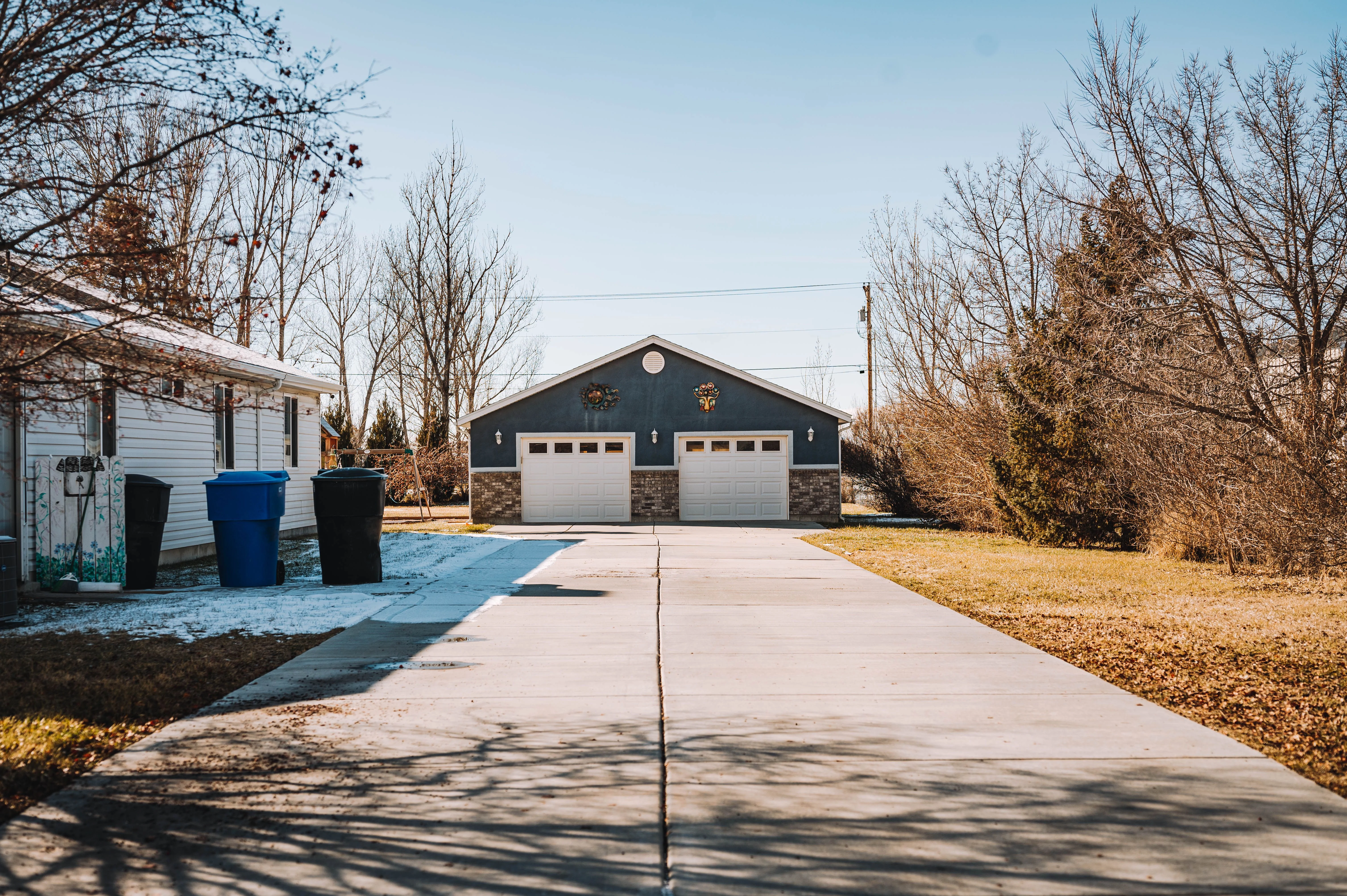 37 areas covered
Service Area
QUESTIONS
Yes. A lot of the doors we see are original to houses built in that era, still running side-mounted torsion hardware. We carry spring sizes for that older setup as well as newer sectional door hardware, since both show up regularly across the area.
It depends on distance. Calls closer in, within 7 to 13 miles, tend to get faster windows than ones out toward the 17 to 19 mile edge of where we run. Tell us your city when you call and we'll give you a real estimate, not a guess.
Sometimes. If the springs, cables, rollers, and panels are all failing at once on an older door, patching each part piecemeal can cost more over time than a new door. We'll tell you honestly which side of that line your door is on before we quote anything.
Not accurately. Springs, cables, and opener issues can look similar from a homeowner's description but need very different fixes. We ask what the door's doing so we bring the right parts, but the real diagnosis happens once we're looking at it.
READY WHEN YOU ARE
Tell us what the door is doing and we'll help you figure out whether you're dealing with a spring, cable, roller, track, opener, sensor, damaged panel, or an older system that's reached the point where replacement makes more sense.