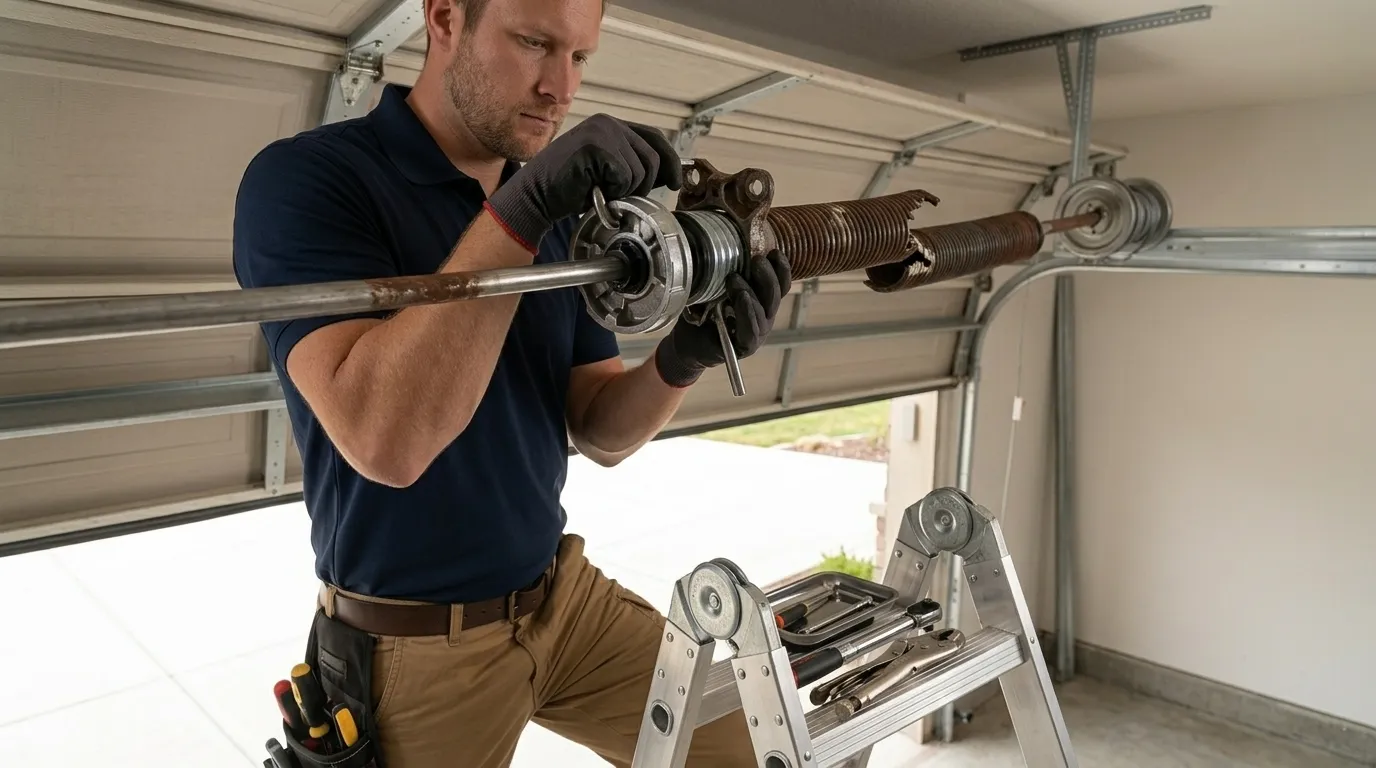
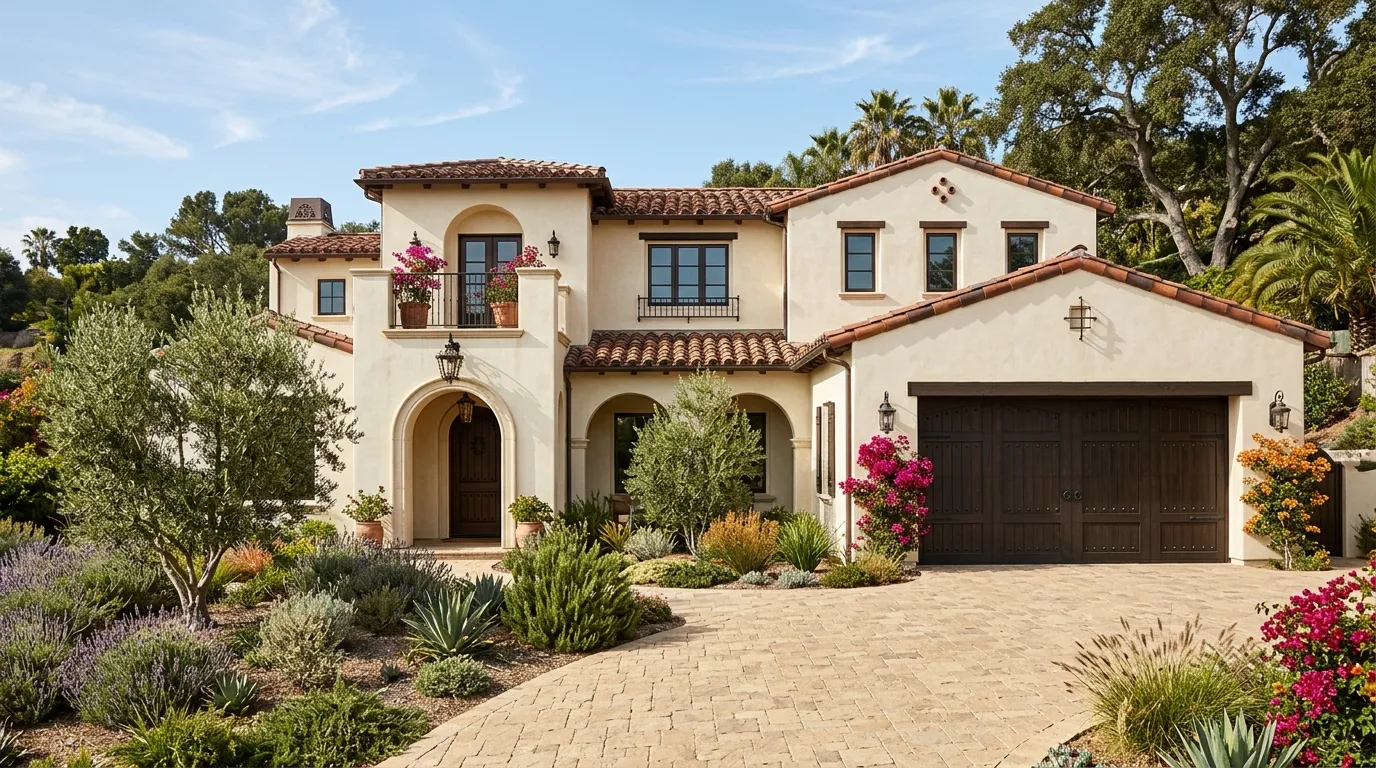
Most of the housing in this service area went up between 1938 and 2005, with the median build year landing around 1970, and that 1960s-70s stock makes up the bulk of what's still standing across the 34 named neighborhoods here. A torsion spring is rated for a set number of open-close cycles - typically somewhere in the range of years, not decades, of daily use - and a spring installed when the house was built has usually cycled well past that rating by now, even if nobody's touched it.
The mild temperate climate in this part of the county doesn't put the same stress on steel that freeze-thaw regions do, so springs here don't usually snap from cold contraction the way they might somewhere with hard winters. What gets springs here is straightforward fatigue: decades of daily cycles on hardware that was never swapped out, plus coastal air that slowly works on the coating over that many years. A spring that's original to a house built in the 60s or 70s is simply old, and old spring steel fails at the coil, not gradually - it's fine until the one cycle it isn't.