
Guide
Is Your Old Costa Mesa Garage Door Worth Fixing?
Costa Mesa homes mostly date to the 1960s-70s, with stock running 1938-2005. Here's how to tell if your original door and hardware are worth repairing or replacing.
Local detail
The Situation
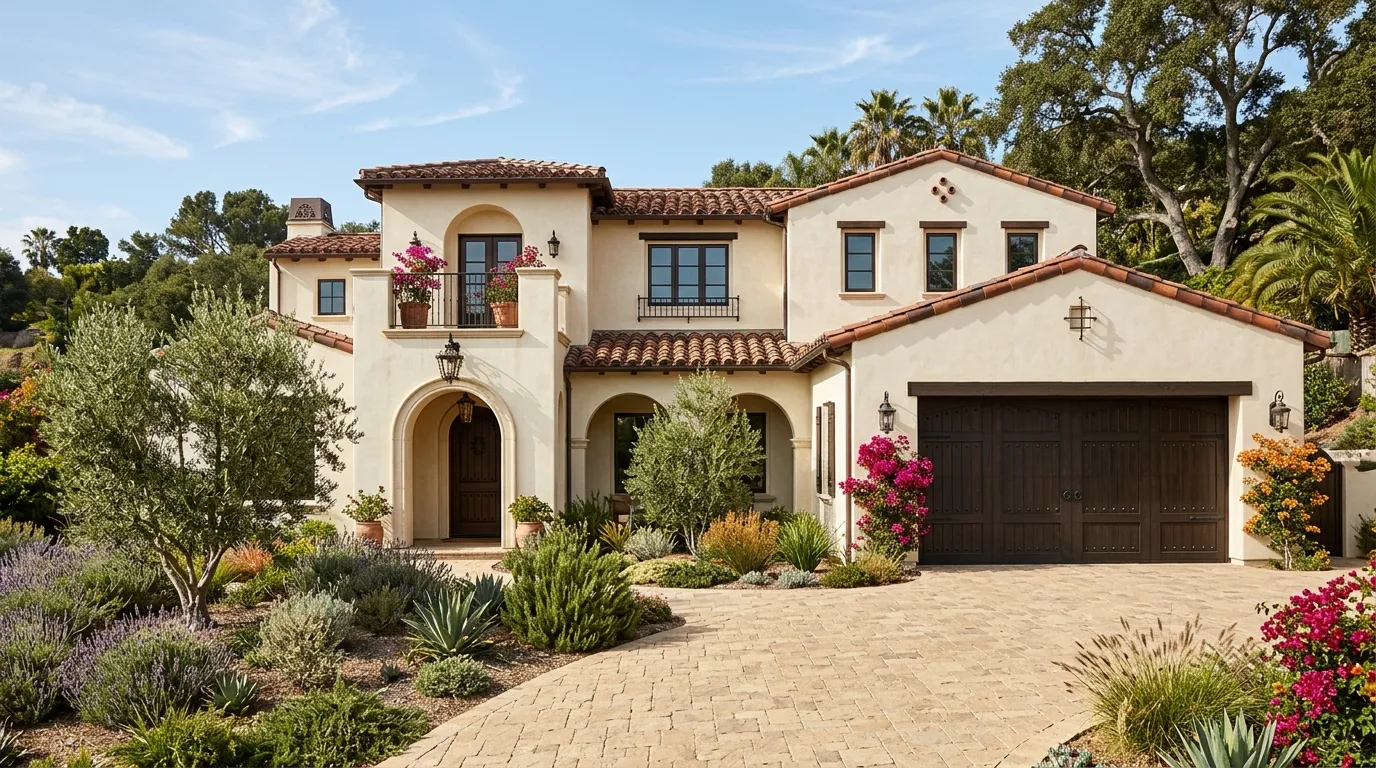
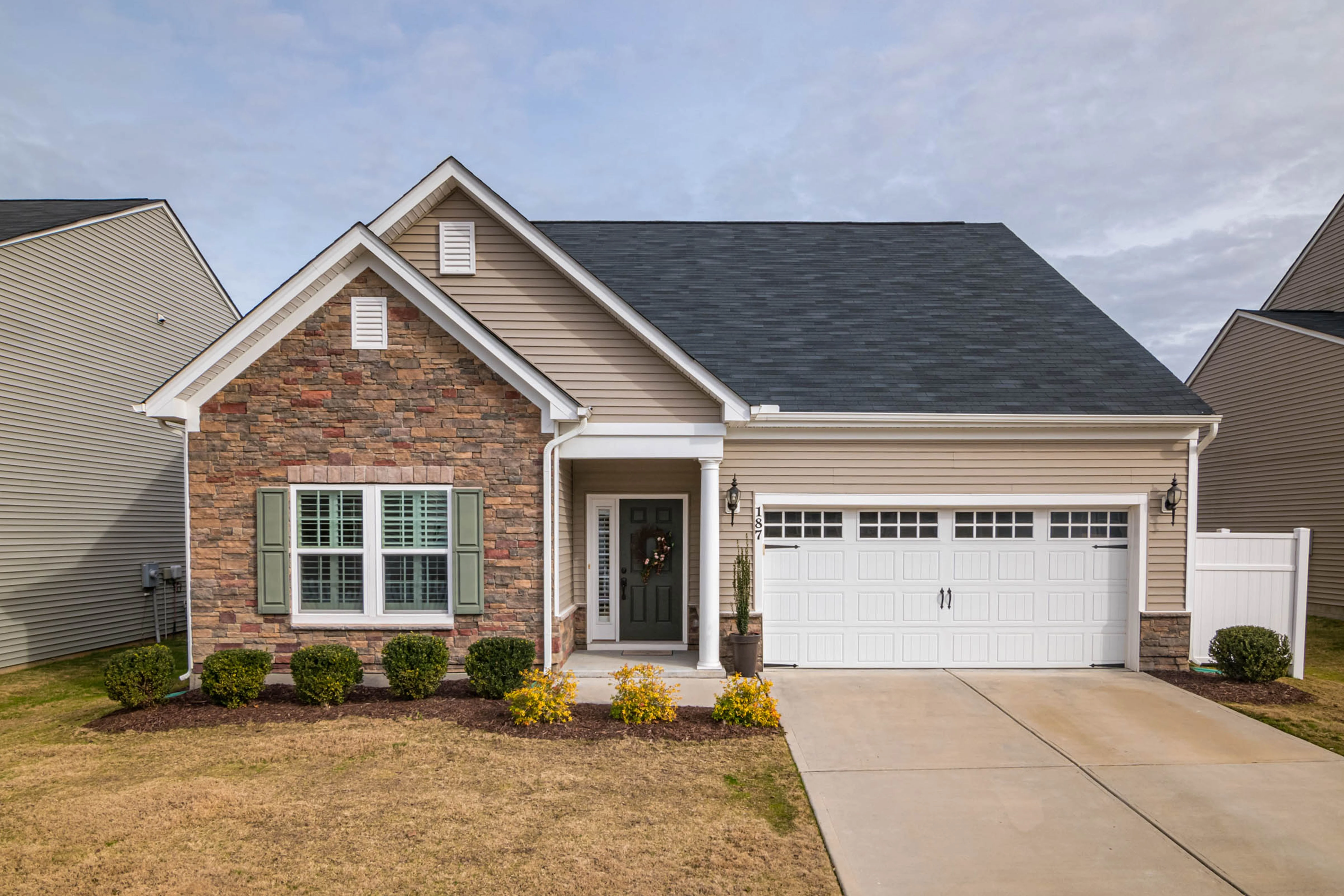
Costa Mesa's housing stock runs from 1938 through 2005, but the median build year lands around 1970, and most of the 34 named areas we work in - from East Side Costa Mesa down near the SSE edge to the Downtown pocket to the west and East Bluff toward the coast - are still full of houses from that same 1960s-70s wave. That matters for garage doors because a huge share of those doors and the hardware bolted to them are original, or close to it. A door installed in 1968 was built for torsion springs, tracks, and openers that nobody stocks new anymore. When a part on one of these fails, you're not always fixing a door - sometimes you're matching parts to a system that predates the current opener and spring standards entirely.
Whether that's worth doing depends on what's actually broken, not just how old the door looks. A worn roller or a stretched cable is a normal fix. A rusted-through torsion tube or a warped wood panel on a door from the Nixon era is a different conversation, and we'll tell you straight which one you're in before we quote anything.
The area
What the Weather Here Does to It
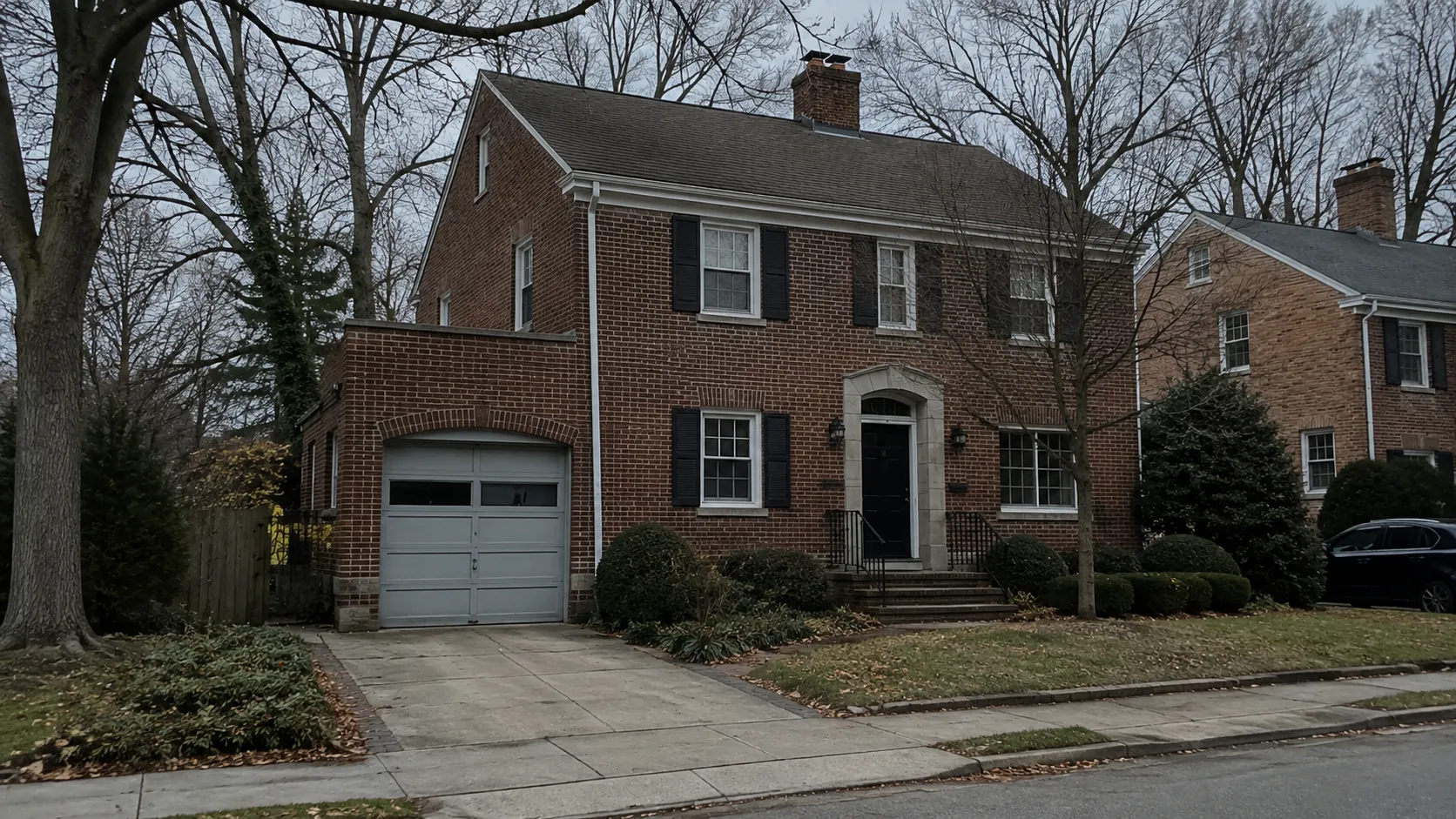
Costa Mesa sits in a mild temperate band, and that's mostly good news - you don't get the freeze-thaw cycles that crack concrete slabs or the extreme swings that warp panels the way they would inland. But mild doesn't mean nothing happens. Coastal moisture and salt air, even a dozen miles inland toward areas like Villa Park or Silverado, still work steadily on exposed steel hardware - hinges, springs, and unpainted brackets corrode slowly over decades rather than fast in one bad winter. On a door built in the 1960s or 70s, that slow corrosion has had fifty-plus years to work.
It's usually not dramatic. It shows up as a spring that finally lets go on an otherwise unremarkable Tuesday, or a track bracket that's thinned out enough to flex under load. Because the climate here is forgiving, a well-maintained older door can genuinely outlast its opener - the mild weather is buying you time the hardware doesn't always use well without upkeep.
What we find
When It Stops Being a DIY Job
A household in this area with the median income of $113,204 can usually afford to replace a door outright, but that's not the same as it making sense. The decision point isn't cost - it's what's failing. Torsion springs under tension are not a homeowner repair on any door, new or 1970s-original, full stop.
Beyond that, on an older door specifically, the honest line is: if the track is bent, the spring is original, and the panels are steel from before galvanized coatings were standard, you're often better calling someone who can look at the whole system rather than swapping one part and finding the next failure in six months. We don't do cosmetic-only refinishing on old wood doors - that's a limitation worth knowing up front, since some of the pre-1970s stock in this area still has original wood panels that a painter, not a garage door tech, should handle.
How we work
What Most People Get Wrong
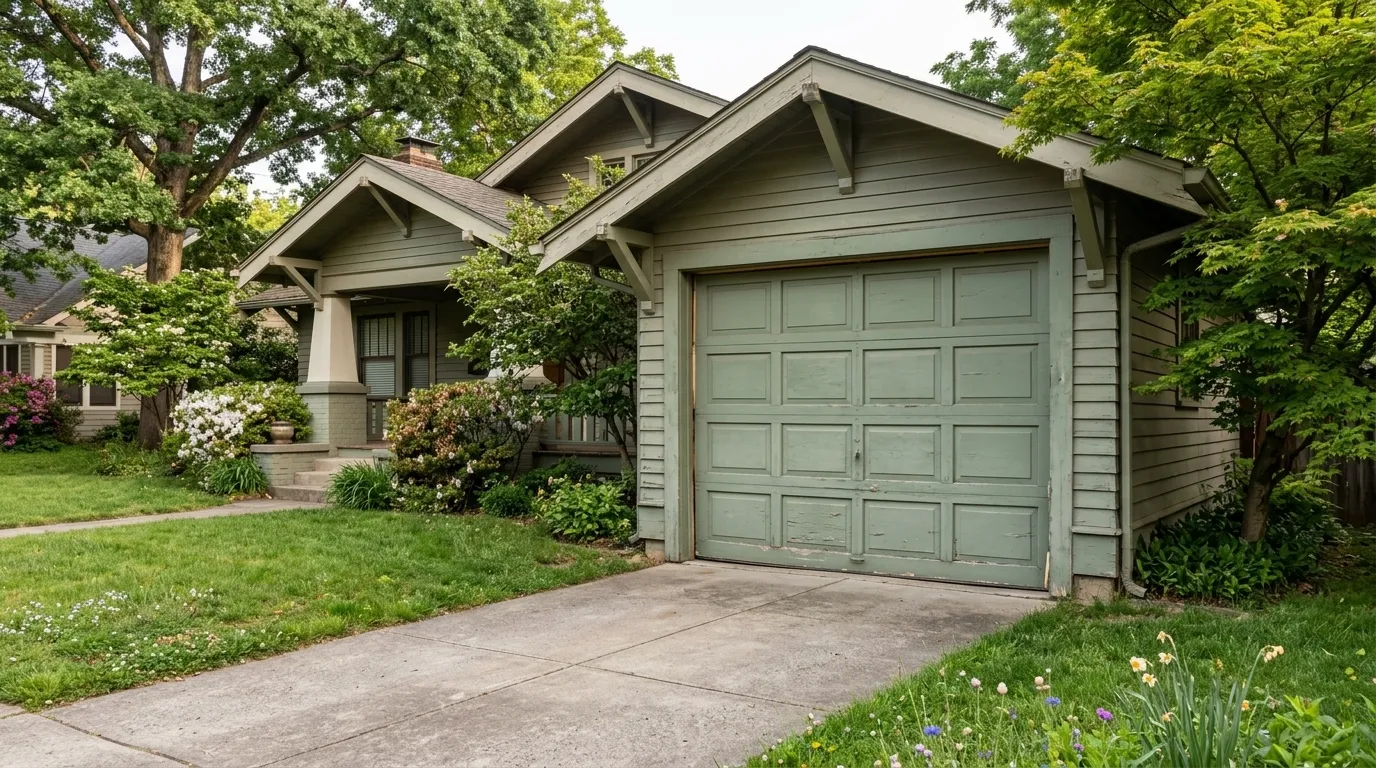
The most common mistake we see across the older neighborhoods here, whether it's a place a few miles out like Westminster-adjacent stock or the older interior pockets of Costa Mesa itself, is treating the opener and the door as one unit. They're not. A homeowner replaces a dead opener motor on a house built in the 1960s and assumes the door underneath is now sorted - but the original springs, drums, and track from that same era are still doing the physical work, and they don't get younger because the opener did.
The second mistake is waiting past the point where a spring or cable is visibly frayed. On hardware this old, a visibly worn part is close to its last cycle, not still good for another season. With household counts across this service area running near 395,886, a lot of these decisions are being made on very similar houses at the same time - the fix that made sense for a neighbor's 1972 door is a reasonable data point, but it's still worth having the specific door looked at before assuming the same call applies.
Questions
Common questions
How do I know if my garage door spring is original to the house?
If your house was built in the 1960s or 70s, which covers a lot of Costa Mesa's stock, and the spring has never been replaced that you know of, assume it's decades old. Original torsion springs on houses from that era are common failure points precisely because they've outlasted their expected cycle count by a wide margin.
Is it worth replacing an old door instead of repairing it?
Depends on what's wrong. A bad spring, worn rollers, or a stretched cable on an otherwise straight, solid door is worth fixing. A warped wood panel, a bent track that's been forced back into shape more than once, or a rusted torsion tube usually means replacement is the better use of your money.
Does Costa Mesa's mild climate mean I don't need to maintain the door?
No. The mild temperate climate here means you avoid the fast damage other regions see from freeze-thaw cycles, but coastal moisture still corrodes exposed steel hardware slowly over years. An old door in this climate can last a long time, but only with basic upkeep - it's not maintenance-free.
Do you refinish old wood garage doors?
We don't do cosmetic-only refinishing on original wood panels - that's better handled by a painter. We handle the mechanical side: springs, tracks, cables, openers, and panel replacement when the wood itself has failed structurally.
Ready when you are
Need a garage door sorted in Costa Mesa?
Costa Mesa Garage Door Pros repairs and installs garage doors, springs and openers in Costa Mesa, CA and the surrounding area.