
Costa Mesa, CA
Garage Door Repair in Costa Mesa
Torsion springs and rollers on Costa Mesa's 1960s-70s tract doors wear out predictably. We explain the symptom, the cost factors, and the local cause.
What we do
Garage door work in Costa Mesa
Garage Door Installation for Costa Mesa Homes
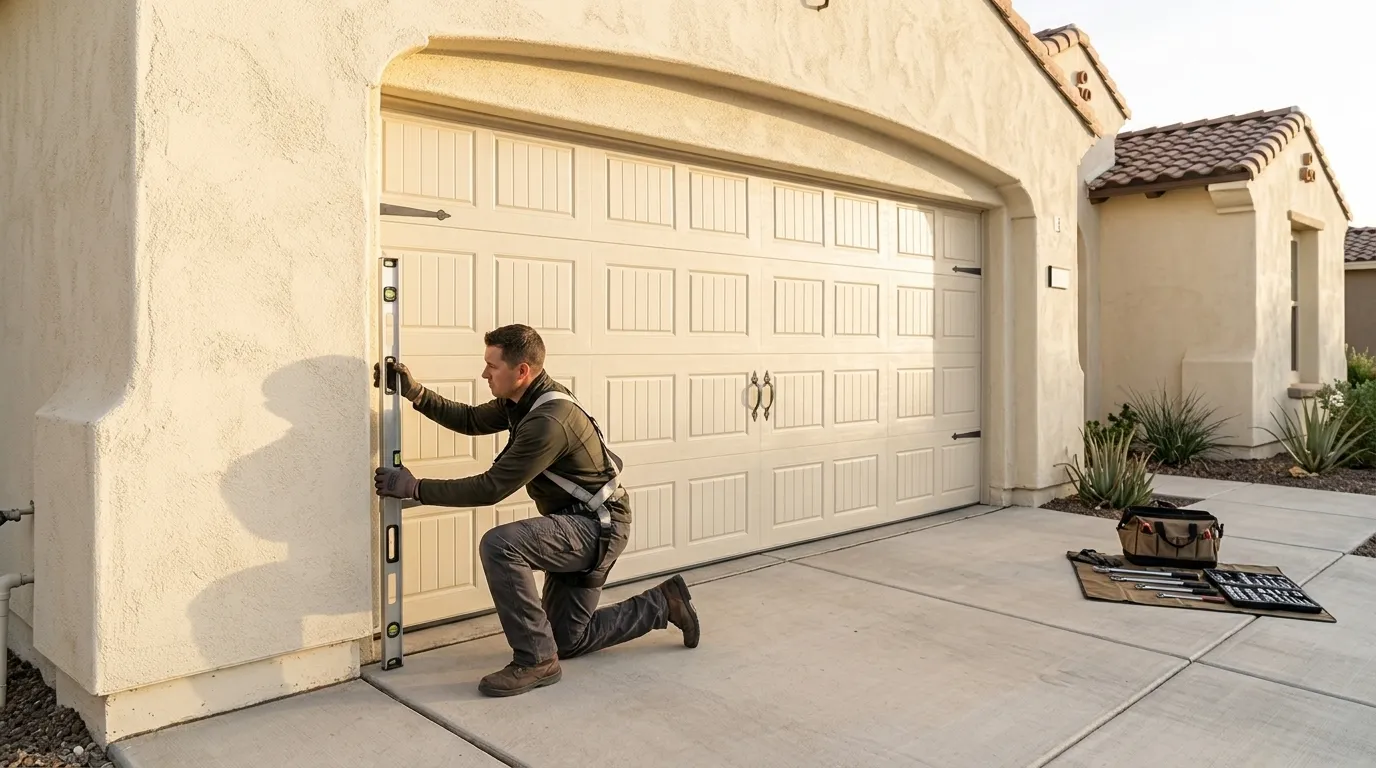
New garage door installation for Costa Mesa homes built 1938-2005, matched to original opening sizes and mild-coast conditions. Learn more →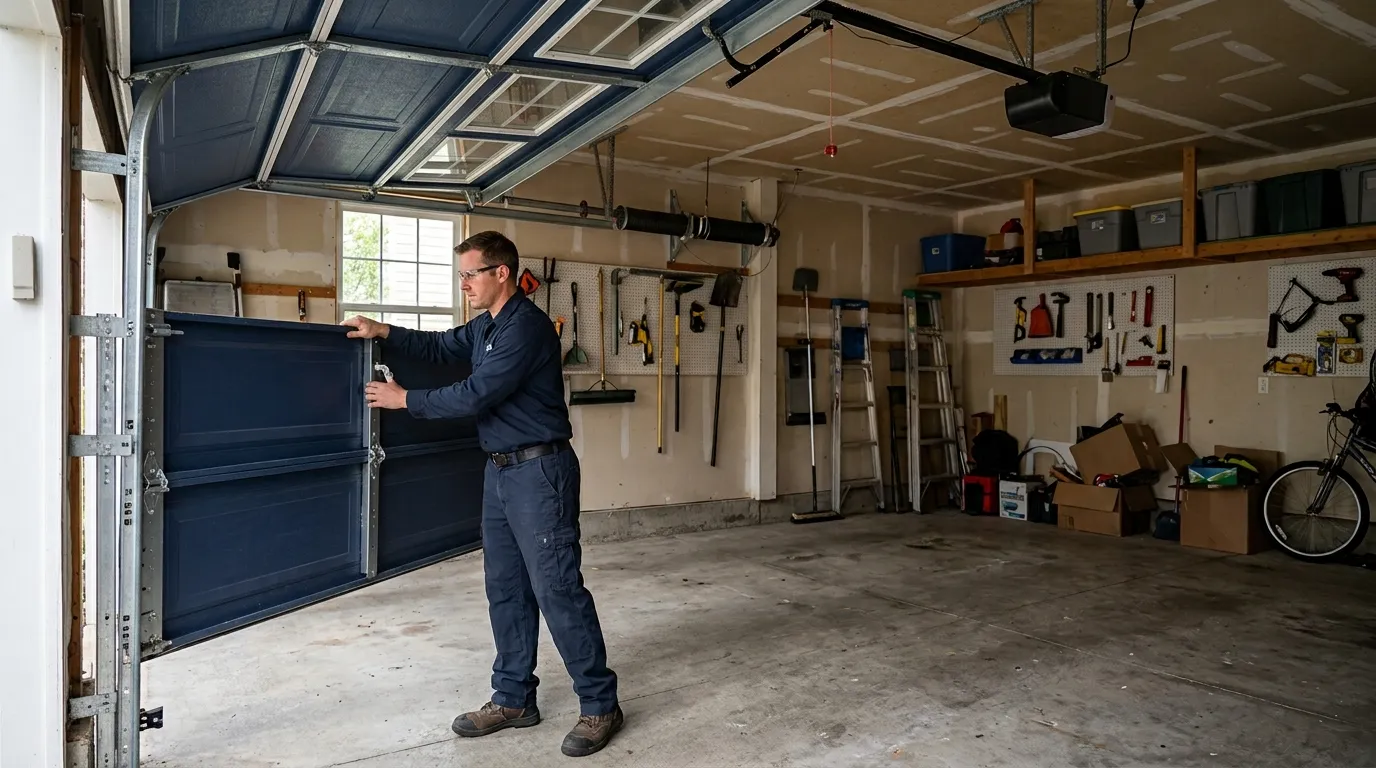
Garage Door Service for Costa Mesa Homes Built 1938-2005
Costa Mesa Garage Door Pros services torsion springs, tracks, and openers on homes built 1938-2005, most from the 1960s-70s boom years across the area. Learn more →Local detail
The Symptom
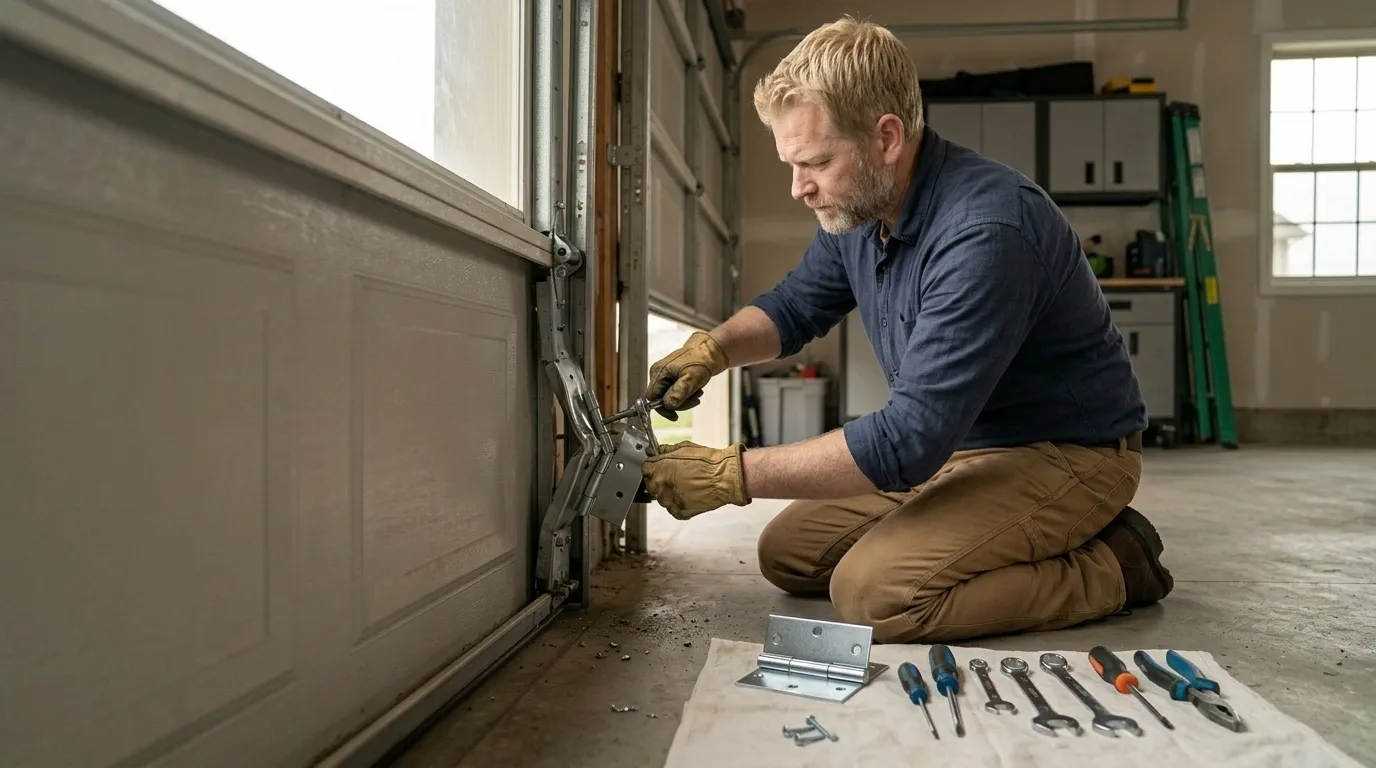
You hit the button and the door either won't budge, groans halfway up, or slams down faster than it should. On a lot of Costa Mesa doors this shows up as a loud bang followed by the door refusing to open at all - that's usually a torsion spring letting go. On others it's a slow drift downward after the door looks closed, which points to worn cables or a spring that's lost tension but hasn't snapped yet.
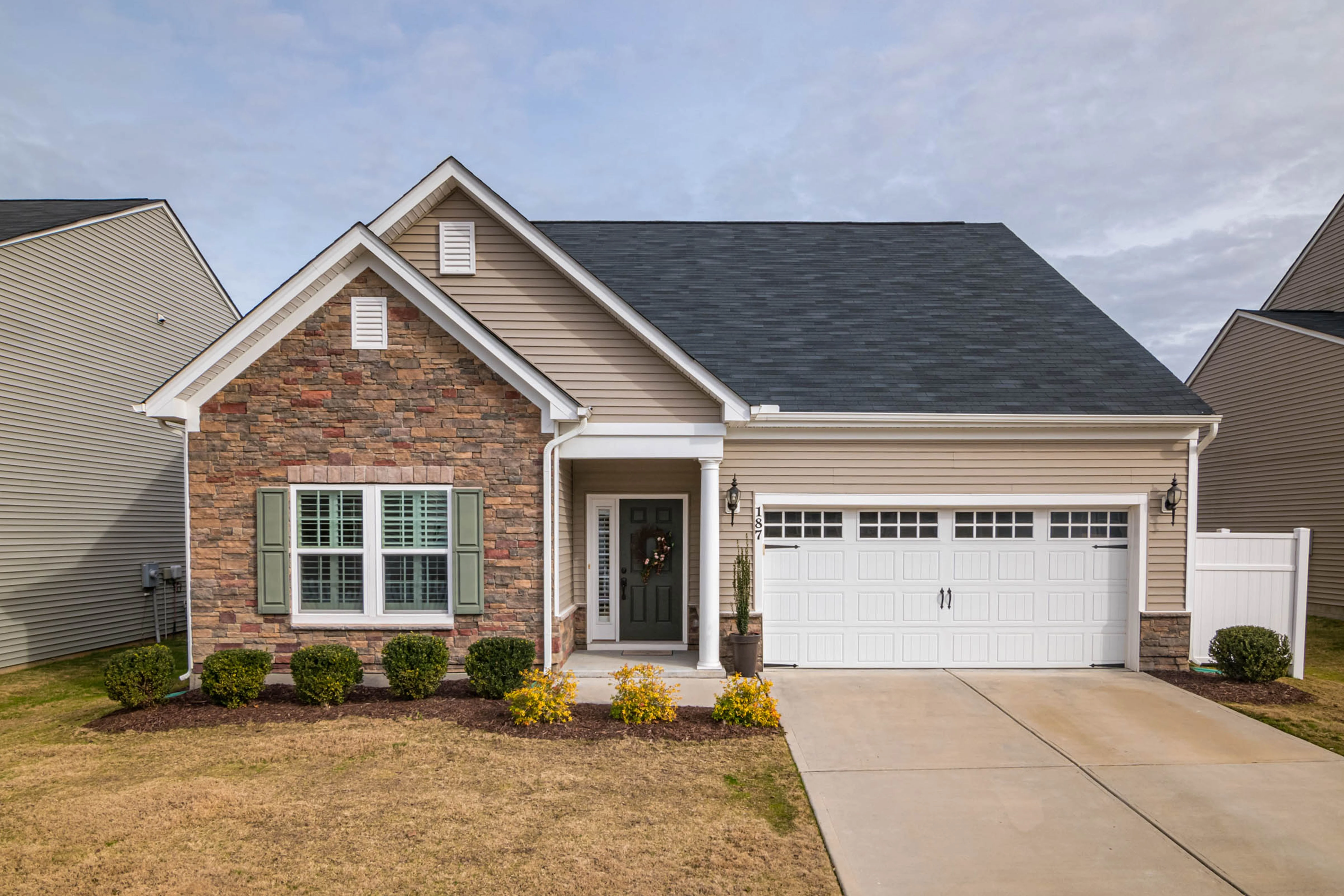
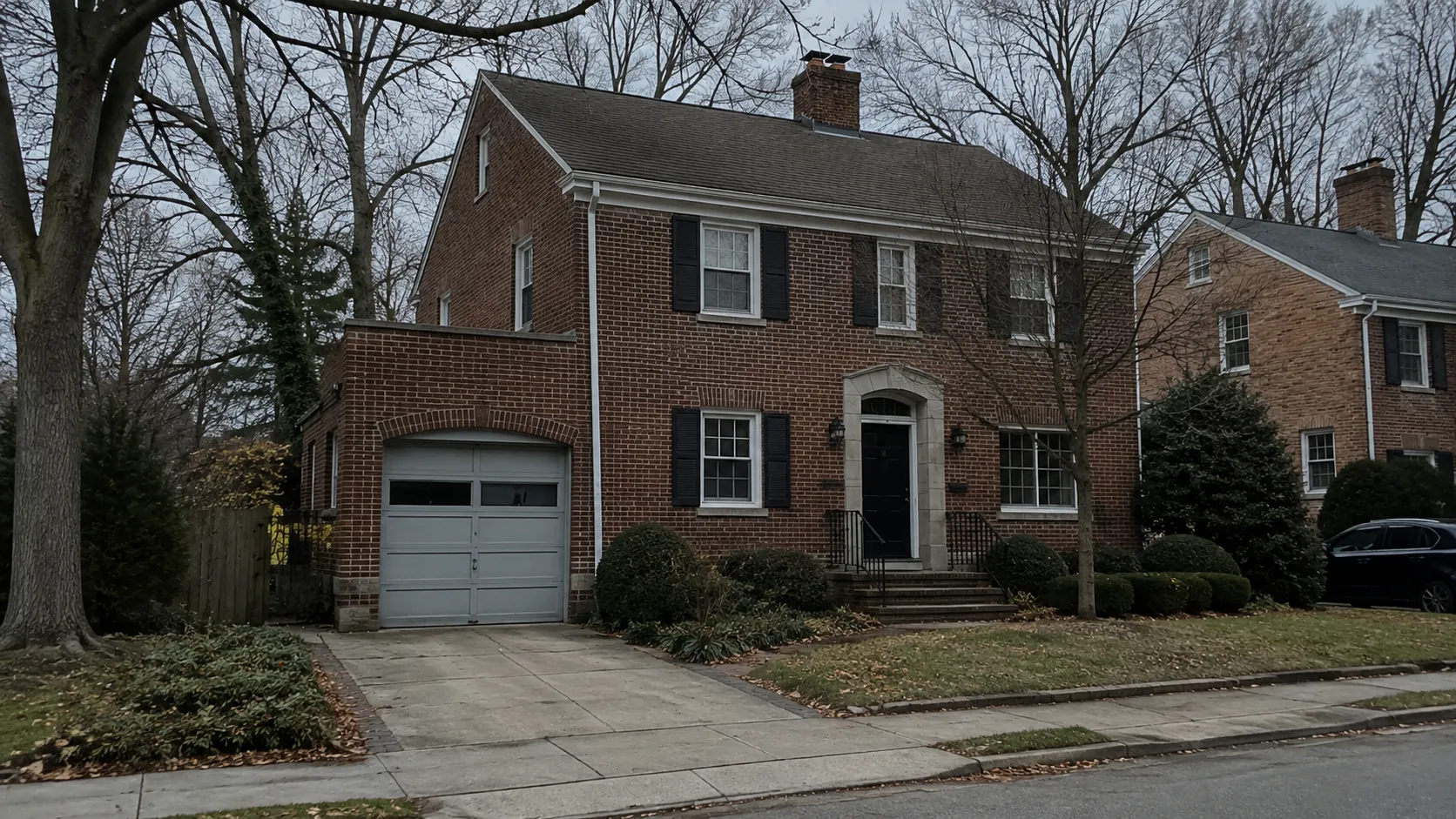
Housing here runs from 1938 through 2005, with the bulk of it going up in the 1960s and 70s, and doors from that era were built with steel rollers and single torsion springs rated for a lighter cycle count than what a household actually runs after 40-plus years. If your door is one of the originals from that stretch, the spring has likely done more open-close cycles than it was ever spec'd for. A door that's merely noisy is a different job than one that's stuck shut on a car you need this morning, and we treat them differently on the phone before a truck ever rolls.

The area
The Cost of This Job
We're not going to hand you a number here that isn't tied to what's actually wrong with your door - a broken roller costs a fraction of a full spring replacement, and a bent track is its own conversation. What we can tell you is what drives the number up or down: whether it's one spring or a matched pair, whether the drums or bearings went with it, and whether the opener itself took damage when the spring failed. Costa Mesa's median household income sits at $113,204, and most of the repair calls we get in this price bracket are homeowners who want the job done right the first time rather than patched twice.
If your door was installed anywhere in that 1938-2005 build window, parts availability matters too - some of the older one-piece doors use hardware that isn't a stock item everywhere, which can add a day to a job that would otherwise be same-visit. Ask for the number on your specific door before you commit to anything; a phone estimate without seeing the spring size and drum type is a guess, not a quote.
What we find
What Causes It Around Here
Costa Mesa sits in a mild temperate band - no hard freezes, no monsoon humidity swings - which sounds like it should be easy on garage hardware, and mostly it is. The failures we see aren't weather-driven the way they'd be in a place with real winters. They're age-driven.
With most of the local stock built in the 1960s and 70s across the area's named neighborhoods, a huge share of doors are running original or first-generation replacement torsion springs that have simply reached the end of their cycle life - springs are rated in cycles, not years, and a 50-year-old door has cycled a lot. Steady mild weather actually masks the wear, since there's no seasonal stiffening to warn you something's off; the spring just goes from fine to snapped with no obvious lead-up. Salt air near the coast can also work on unsealed springs and hardware over decades, which is worth a look if your door has never been serviced.
How we work
Can You Do This Yourself
Some of this is genuinely DIY. Lubricating hinges and rollers, tightening loose hardware, replacing a worn weatherstrip, or swapping a broken pull cord on the opener - a homeowner with basic tools can do all of that safely in an afternoon. Torsion springs are not on that list. They're wound under enough tension to break a wrist or worse if the winding bars slip, and the tools to do it right aren't something most garages have lying around.
Cable replacement carries the same risk since the cable is under load from the spring system. If the symptom is a stuck or slammed door and you suspect a spring, the honest move is to leave the door alone - don't force it open or closed - and call it in rather than improvise. We'll say plainly when a job is small enough to talk you through over the phone and when it isn't; not every call needs a truck, but spring work always does.
Questions
Common questions
Why did my garage door spring snap with no warning?
Torsion springs fail by cycle count, not by age alone, and Costa Mesa's mild climate doesn't give you the seasonal stiffening that would normally tip you off. A spring on a door built in the 1960s or 70s has often quietly reached the end of its life and lets go on an otherwise ordinary day.
Is a squeaky door a spring problem or something else?
Squeaking is usually rollers or hinges needing lubrication, not the spring. Springs tend to fail with a bang or a slow sag rather than a squeak. If the noise is new and paired with the door feeling heavier to lift by hand, get the spring checked before it fails on its own.
Can I replace a torsion spring myself to save money?
You can, but the tension involved has caused serious injuries to people without the right winding bars and experience. We'd rather talk you out of it than repair the aftermath. Most of what's safe to DIY on a garage door doesn't involve the spring system at all.
How do I know if it's the spring or the opener?
Try opening the door manually with the opener disconnected (there's a release cord for this). If it's very heavy or won't stay open on its own, that points to the spring. If it lifts easily by hand but the opener won't run it, the problem is likely electrical or the opener itself.
Ready when you are
Need a garage door sorted in Costa Mesa?
Costa Mesa Garage Door Pros repairs and installs garage doors, springs and openers in Costa Mesa, CA and the surrounding area.