
Artesia, Costa Mesa CA
Garage Door Service for Artesia Homes
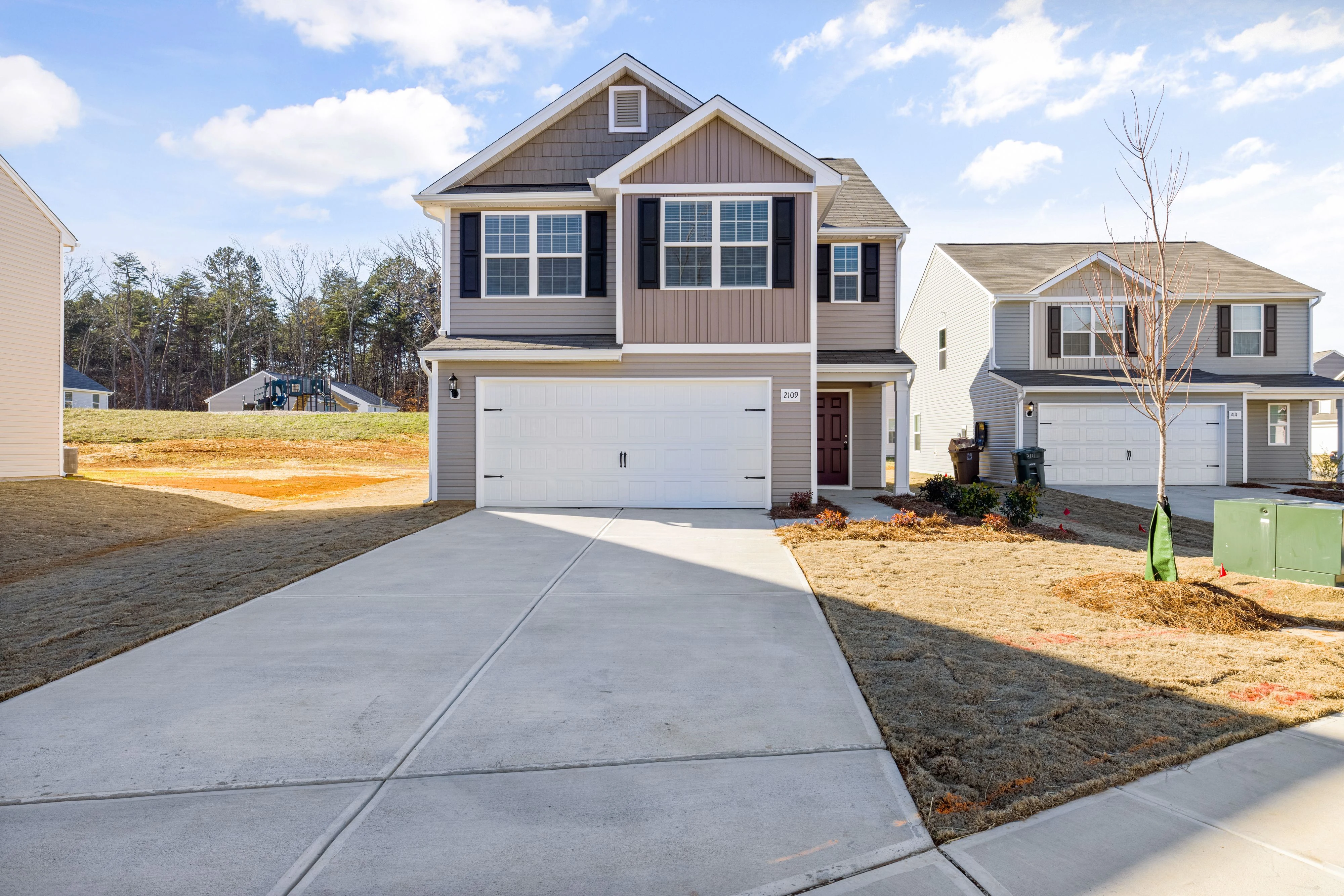
Artesia homes mostly date to 1965, older than the service area median. We know the extension-spring hardware that era brought and drive out from Costa Mesa to fix it.
Local detail
The Houses Here
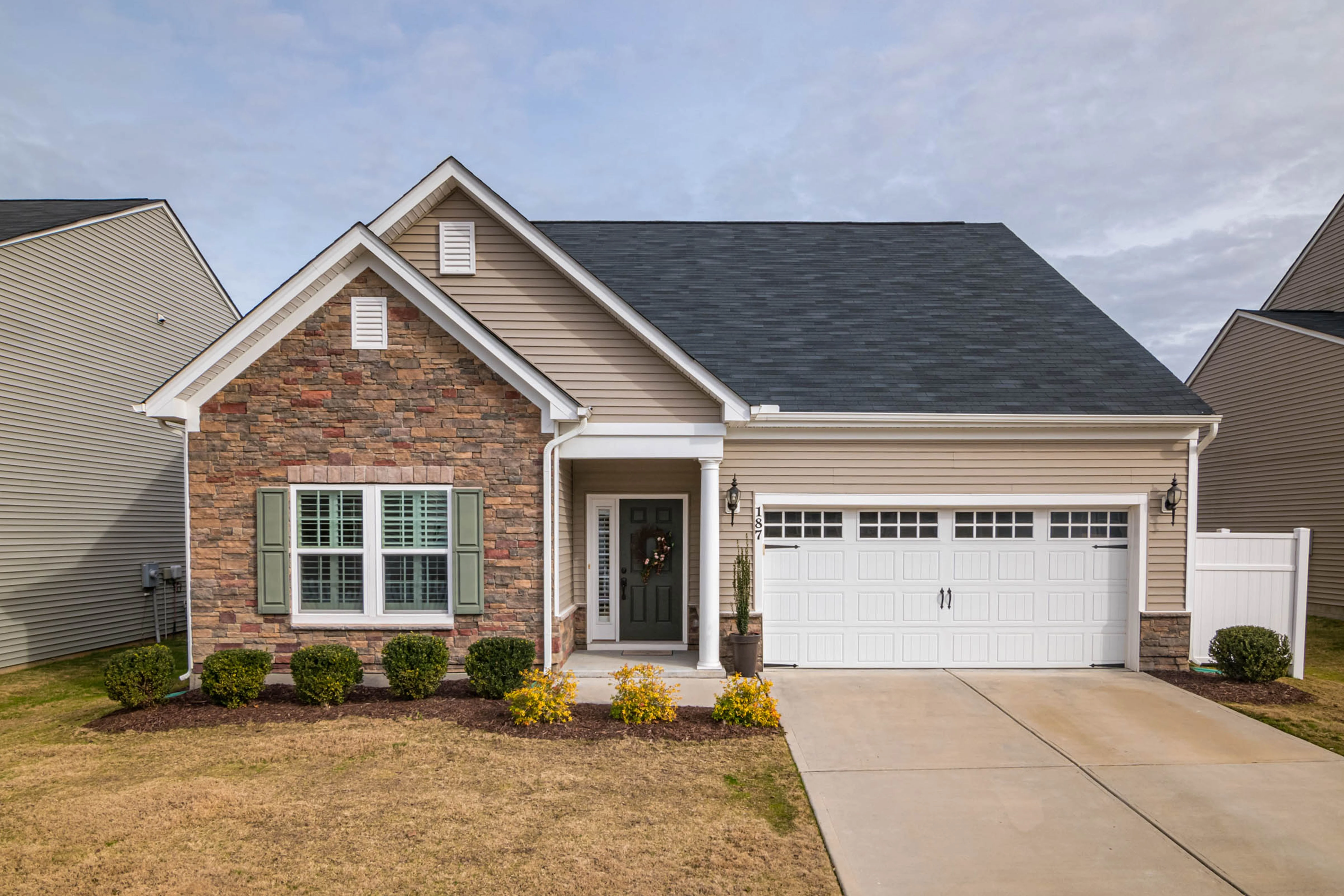
Artesia's median year built sits at 1965, a good five years ahead of the 1970 median we see across the rest of the service area. That gap matters more than it sounds. A neighborhood built in 1965 was framed before torsion-spring-over-header setups became the standard install, so a lot of these garages still run the older extension-spring layout along the horizontal tracks, or a torsion spring that was retrofitted later by whoever owned the place in the 80s or 90s.
With around 4,379 households in this pocket, you get a fairly consistent housing stock - not the mixed-era sprawl you'd find somewhere with new construction filling in gaps. That consistency is useful for us. When we know the build year skews this early, we can guess at the hardware before we even open the truck.
Median household income here runs about $97,712, noticeably under the $113,204 median for the wider area we cover. We mention that because it shapes the calls we get - more repair requests, fewer full-replacement jobs, and more questions about whether a part is worth fixing versus swapping. That's a fair question, and we'll give you a straight answer on it rather than push a new door you don't need.
The area
How We Get to You
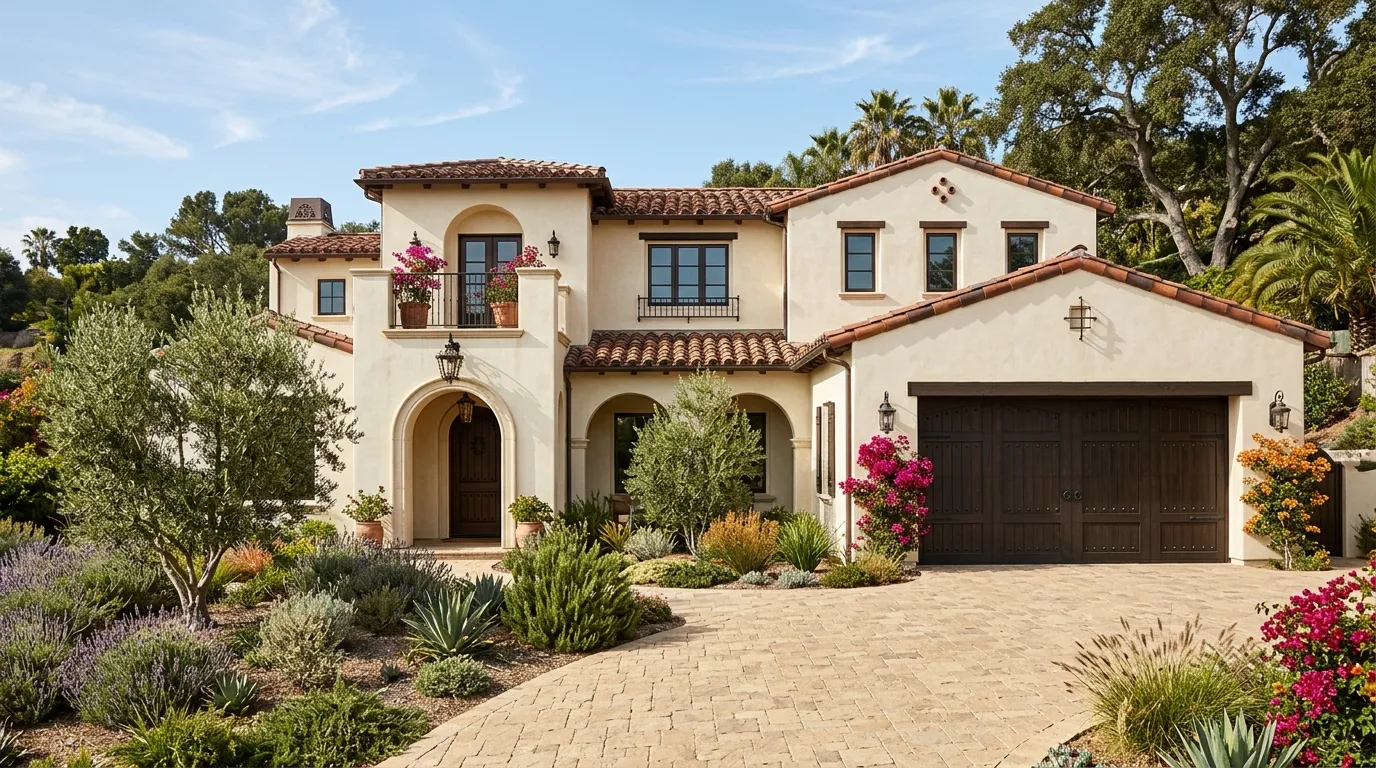
We run out of Costa Mesa, and Artesia is about 17 miles from the shop - not a quick hop, but not an unusual run either. The route takes us past several of the areas we also cover, including Cerritos and La Palma at similar distances, and Hawaiian Gardens and Lakewood not far off either. It's a corridor we drive regularly, not a one-off detour.
We don't keep a depot or a crew stationed in Artesia. We're a Costa Mesa company, and every job out here starts with a truck leaving that shop. That means we plan the parts we're likely to need - springs, rollers, cables - before we're on the road, based on what a 1965-era door usually needs, rather than guessing once we arrive.
One honest limitation: because we're traveling in from Costa Mesa, we're not the guys who can be at your door in twenty minutes for something urgent. If a spring lets go and the door's stuck, we'll get there, but we're not going to promise a same-hour arrival we can't back up. We'd rather tell you the truck is 17 miles out than make up a number that sounds better.
What we find
How That Shows Up in the Door
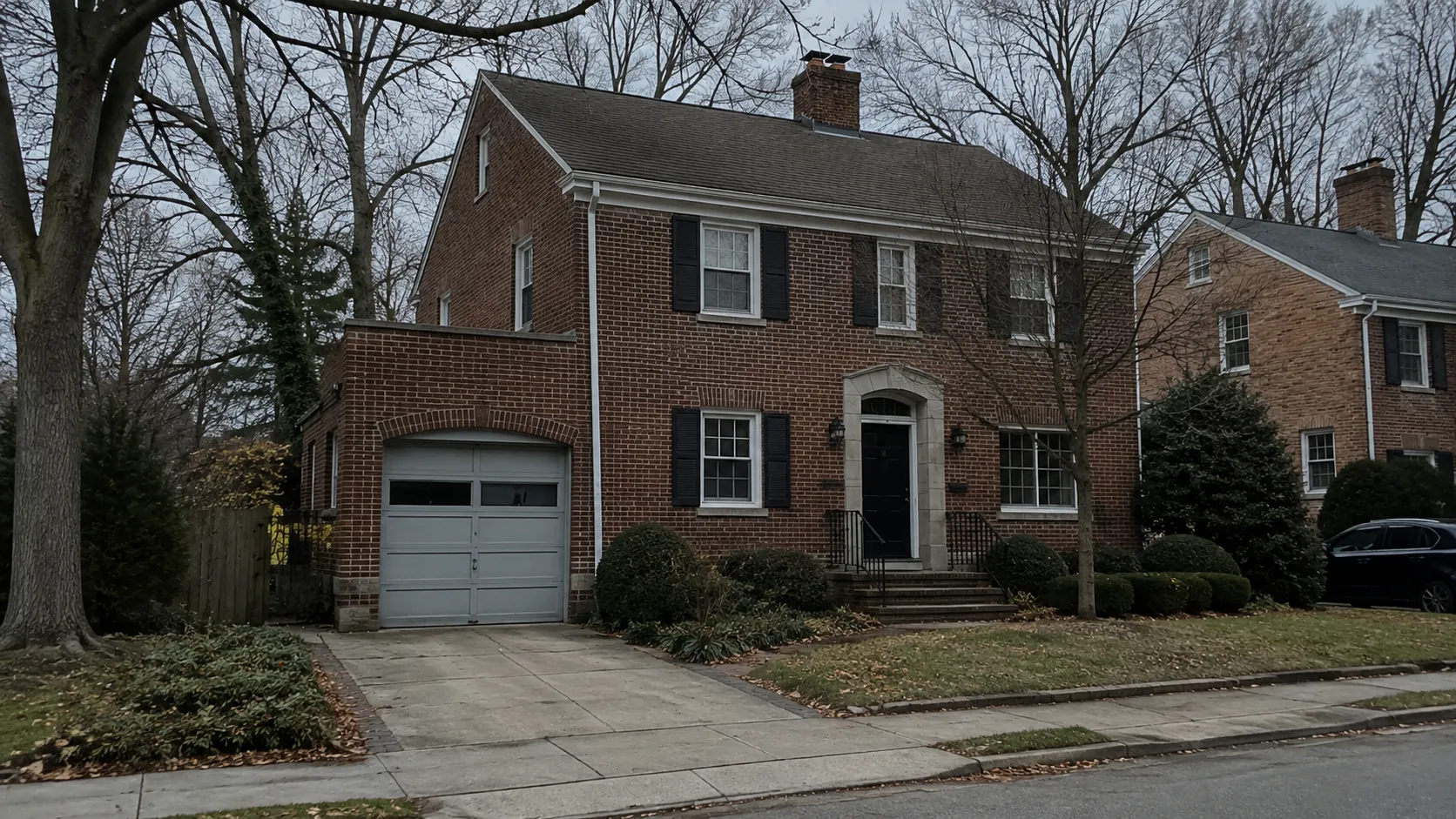
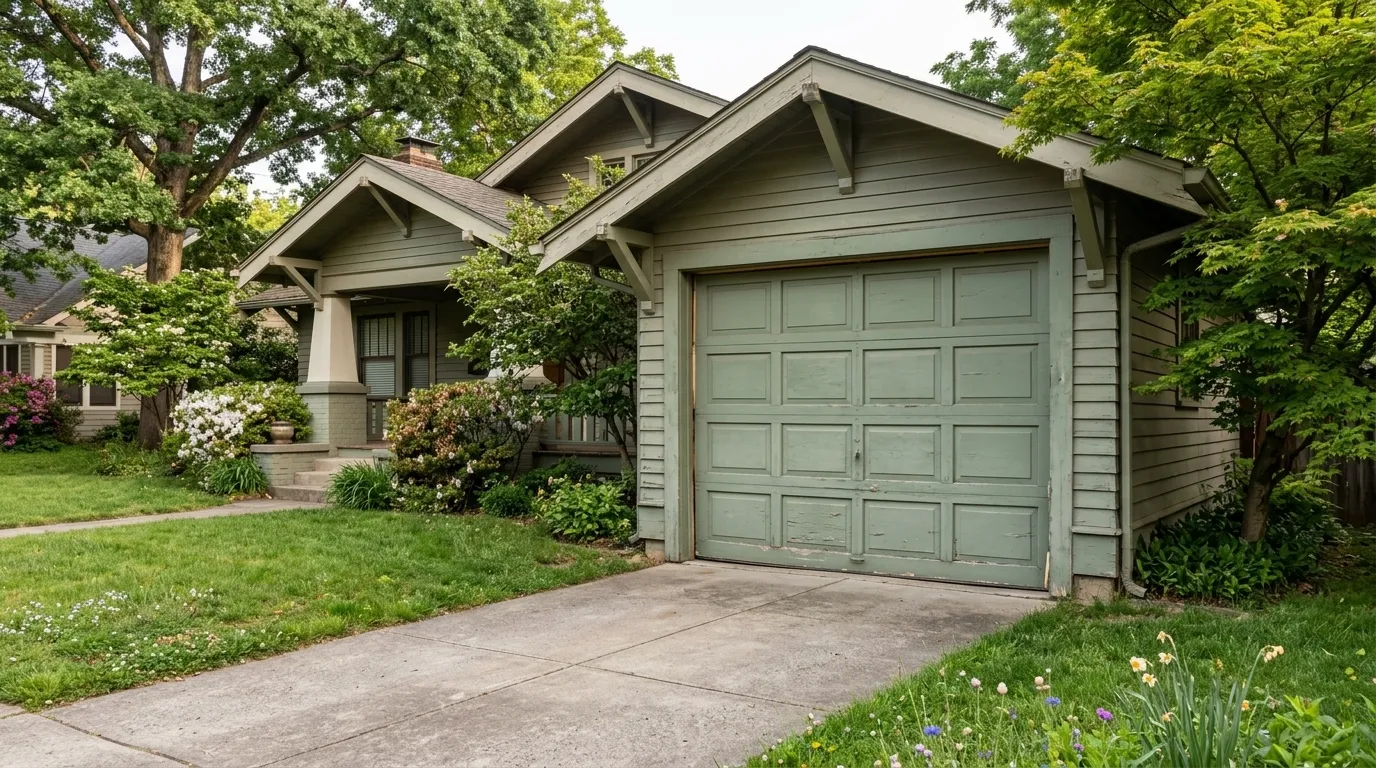
A door installed around 1965 almost always came with extension springs stretched along the horizontal tracks rather than a torsion bar mounted over the header. Extension springs work fine, but they age differently - they stretch, the safety cables (if they were ever added) fray, and the pulleys they run through wear a groove that eventually starts chewing the cable.
If the original door panel is still in place - steel or wood, single layer, no insulation core - it's heavier than anything sold today, which puts more strain on whatever spring setup is holding it. We see openers from later decades bolted onto original 1965 track and drum hardware more often here than in newer-built pockets, because homeowners upgraded the opener but left the mechanical guts alone.
The mild temperate climate this area sits in means we're not dealing with hardware that's been through freeze-thaw cycling or heavy humidity swings - corrosion isn't the main driver of failure here the way it might be elsewhere. Fatigue and age do the work instead: springs that have simply cycled tens of thousands of times since Kennedy-era construction, not springs rusted through.
How we work
What We Do Most in This Area
Given the housing age here, the calls we get most from Artesia are spring replacements - extension springs specifically, sometimes converted over to torsion if the homeowner wants the safer, longer-lasting setup instead of a like-for-like swap. We also see a fair number of roller and track jobs, since original steel rollers on 60-year-old track tend to bind or jump before anything else fails.
Opener repairs come up too, usually on units installed well after the house itself, meaning the opener is newer but it's fighting an old, heavy door and worn track alignment. In those cases the fix sometimes isn't the opener at all - it's the door dragging on bad rollers and making the motor work harder than it should.
Full door replacement is less common here than in newer construction, partly because of the income pattern we mentioned, and partly because a well-maintained door from this era can often be repaired rather than replaced. We'll always tell you when replacement genuinely makes more sense - usually when the panel itself is rusted through or the track is bent beyond a clean realignment - but we won't push it as the default.
 37 areas covered
Service areas
Other areas we cover near Artesia
Questions
Common questions
Are garage doors in Artesia usually older than other areas you cover?
Yes. Artesia's median year built is 1965, about five years earlier than the 1970 median across the rest of our service area. That means more original extension-spring setups and heavier, uninsulated panels compared to newer-built pockets nearby.
Do you have a crew based in Artesia?
No. We run out of Costa Mesa, about 17 miles away, and drive out for every job. We don't keep a depot or staff stationed in Artesia, so we plan parts and timing around that drive rather than promising an immediate arrival.
Is it worth repairing an old extension-spring door instead of replacing it?
Often yes. If the track and panel are in decent shape, converting or replacing the spring is usually cheaper and faster than a full door swap. We'll tell you honestly when the panel or track condition means replacement makes more sense instead.
Ready when you are
Need a garage door sorted in Costa Mesa?
Costa Mesa Garage Door Pros repairs and installs garage doors, springs and openers in Costa Mesa, CA and the surrounding area.