
Guide
Buying a Replacement Door in Costa Mesa
Costa Mesa homes built between 1938 and 2005 don't take a one-size door. Here's what the housing stock and mild climate mean for buying a replacement door here.
Local detail
The Situation
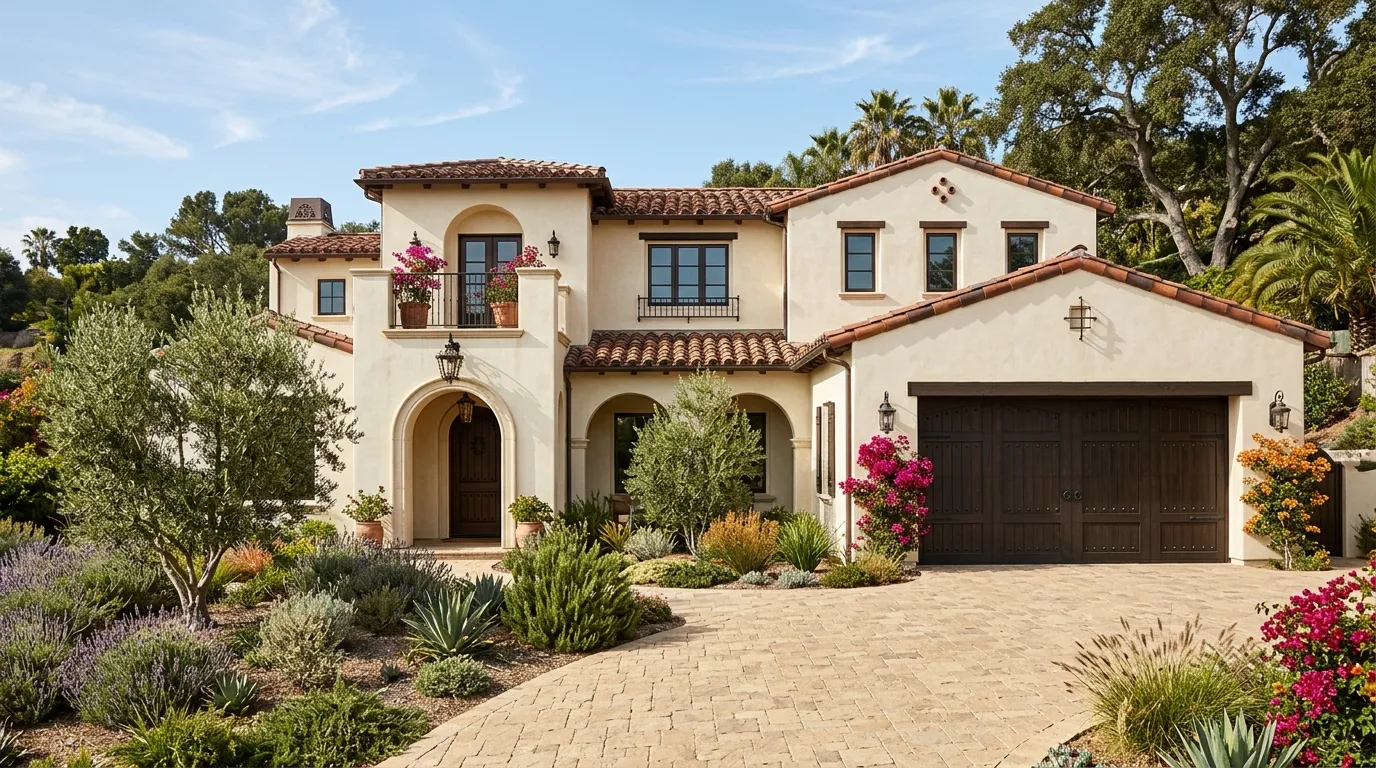
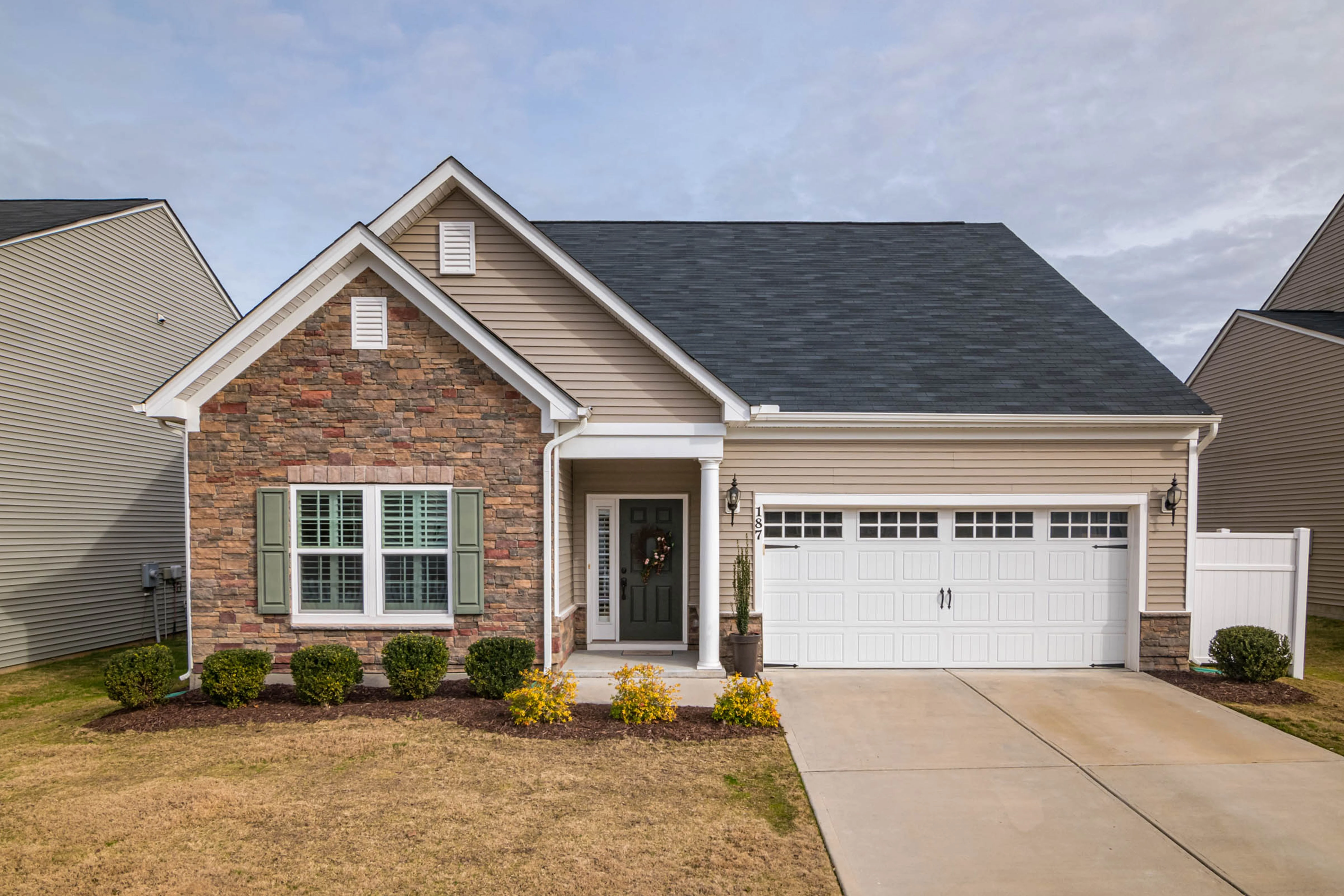
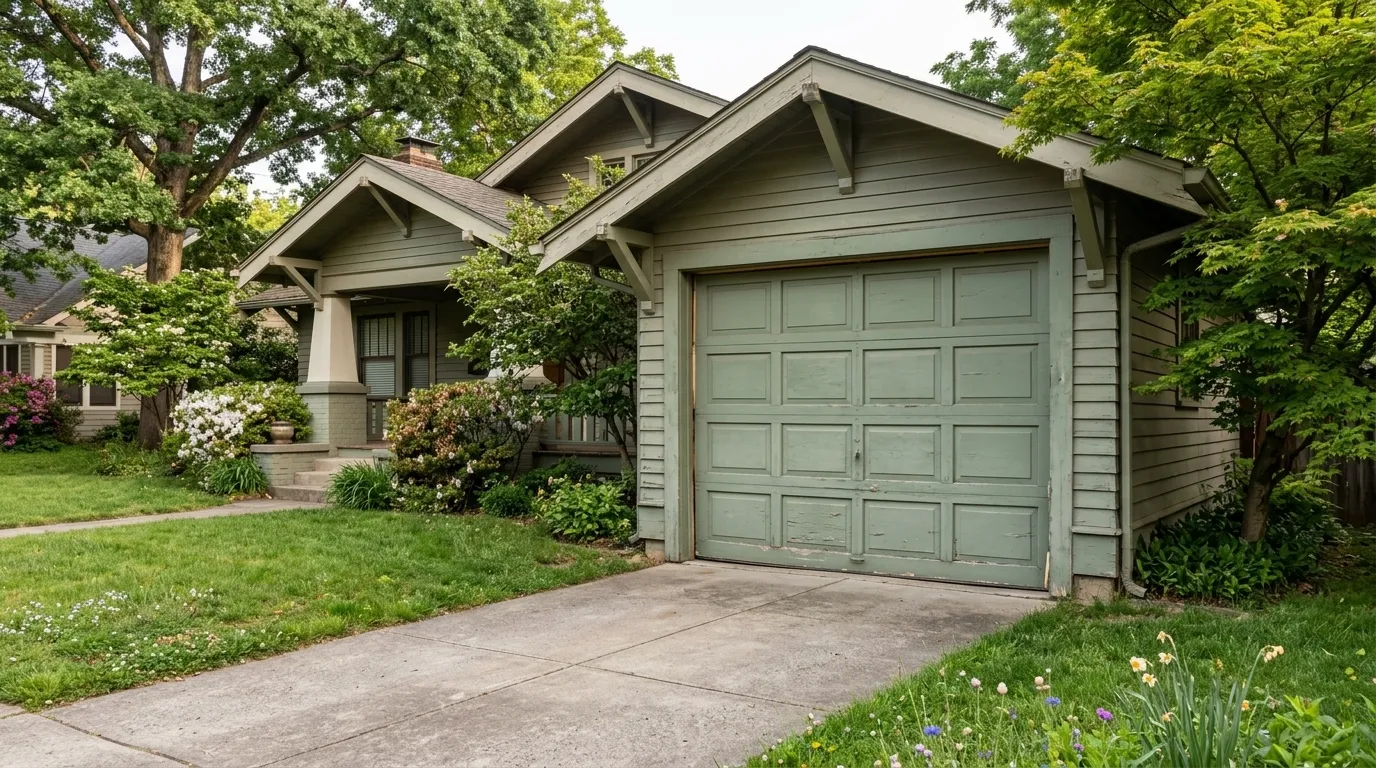
Most of the housing stock around here went up between 1938 and 2005, with the bulk of it dating to the 1960s and 70s. That's true whether you're near Downtown, out on the East Side, or up in East Bluff. What that means for a replacement door: openings weren't standardized the way new-build tracts are.
A door that fits a house from a 2000s infill lot on a street near East Bluff may not fit a house built in 1965 two miles away. Framing depth, header height, and track clearance all shifted over those four decades of construction. When you call around for pricing, the number you get on the phone is a guess until someone measures your actual opening.
We've seen enough of these older frames to know the tape measure beats the catalog every time. If your house falls on the older end of that 1938-2005 range, budget time for the install crew to shim, trim, or special-order jamb brackets - it's common, not a red flag.
The area
What the Weather Here Does to It
Costa Mesa sits in a mild temperate band, which is good news and bad news. The good news: you're not fighting the freeze-thaw cycles that crack seals and snap springs overnight the way they do in colder climates. Steel doors here don't see the same contraction stress that shortens spring life elsewhere. The bad news is that mild doesn't mean static.
Doors here run through steady daily temperature swings, day in and day out, all year, with no winter downtime to let hardware rest. That's slow, cumulative wear on rollers and hinges rather than a sudden failure from a cold snap. If you're replacing a door, ask about roller and hinge grade rather than obsessing over insulation ratings built for harsher climates - insulation matters less here than it would somewhere with real winters, and paying for a heavily insulated door mainly to fight a mild climate is often money better spent elsewhere.
What we find
When It Stops Being a DIY Job
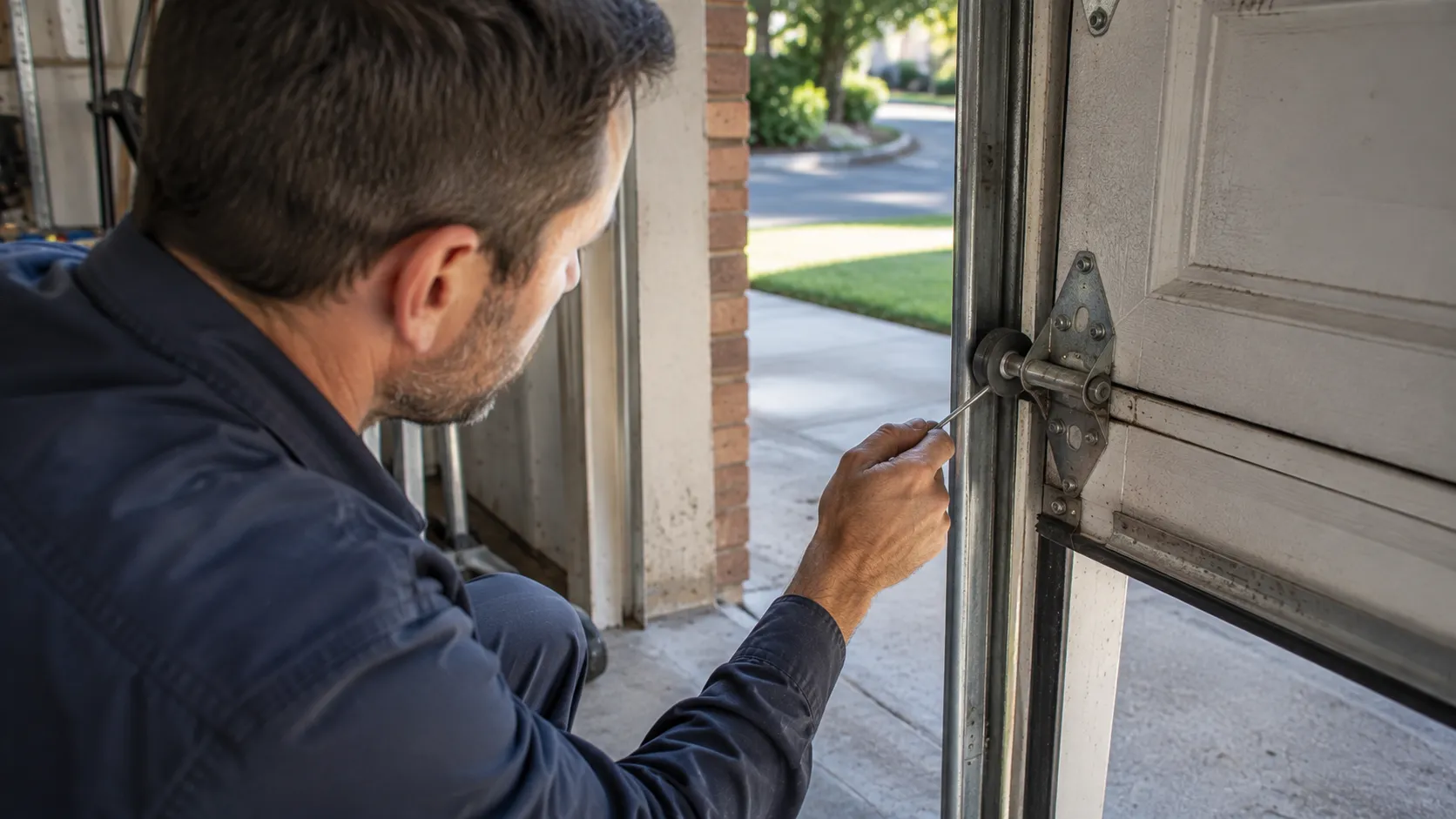
Given how much of the local housing dates to the 1960s and 70s, a lot of the doors we get called about aren't simple swaps - they're doors bolted into openings that predate current standard sizing. If your house is on the older end of that 1938-2005 range and you've never had the door replaced, there's a real chance the track hardware, header clearance, or even the wall framing around the opening isn't square to modern spec. That's the point where a kit from a hardware store stops being a weekend project.
Torsion spring systems on older openings also tend to carry different cable drums and shaft lengths than what ships with a big-box replacement kit, and mismatching those is how people end up with a door that binds or a spring that lets go under load. We'll say plainly: if your opening is original to a pre-1970s build, don't buy the door before someone measures the frame in person. It's the single most common reason a replacement job turns into a return trip.
How we work
What Most People Get Wrong
The biggest mistake we see is treating a replacement door as an off-the-shelf purchase, the same everywhere. With household income in this service area running a median around $113,204, a lot of folks default to buying the top-tier door assuming better means more expensive - insulated, heavier gauge, extra options. For a mild climate like this one, that spend often doesn't buy what people think it does; the thermal performance premium is built for colder markets.
The second mistake is measuring the door opening themselves and ordering to that number without accounting for the header and side room clearance that older 1960s-70s framing often lacks. The honest limitation here: we don't stock every custom size on the truck, and if your opening needs a special order, that adds lead time we can't shorten. Better to know that going in than to be told after the old door is already off the hinges.
Questions
Common questions
Will a standard replacement door fit my older Costa Mesa house?
Not always. A lot of homes here were built in the 1960s and 70s, before opening sizes were standardized the way newer tracts are. We measure the actual frame before ordering anything, because a stock size can be off by enough to matter on an older header or track clearance.
Do I need an insulated door because of the weather here?
Costa Mesa sits in a mild temperate band, so the heavy insulation ratings built for cold-climate markets usually aren't worth the extra cost here. Roller and hinge quality matter more day to day than R-value in this climate.
Can I install a replacement door myself?
If your house is on the newer end of the local range, maybe. If it's an older build with original track hardware, we'd rather measure it in person first - mismatched cable drums or shaft lengths on old torsion setups are a common cause of binding doors and failed springs.
Ready when you are
Need a garage door sorted in Costa Mesa?
Costa Mesa Garage Door Pros repairs and installs garage doors, springs and openers in Costa Mesa, CA and the surrounding area.