
1957 cycle limit expiration
A spring rated for a certain number of open-close cycles just runs out on a house built in 1957, especially if it's never been replaced.
Lakewood, Costa Mesa
Spring repair for Lakewood's 1950s single-car garages, from a crew that drives the 17 miles from Costa Mesa. Extension spring jobs on original tract-home doors.
DIY or pro
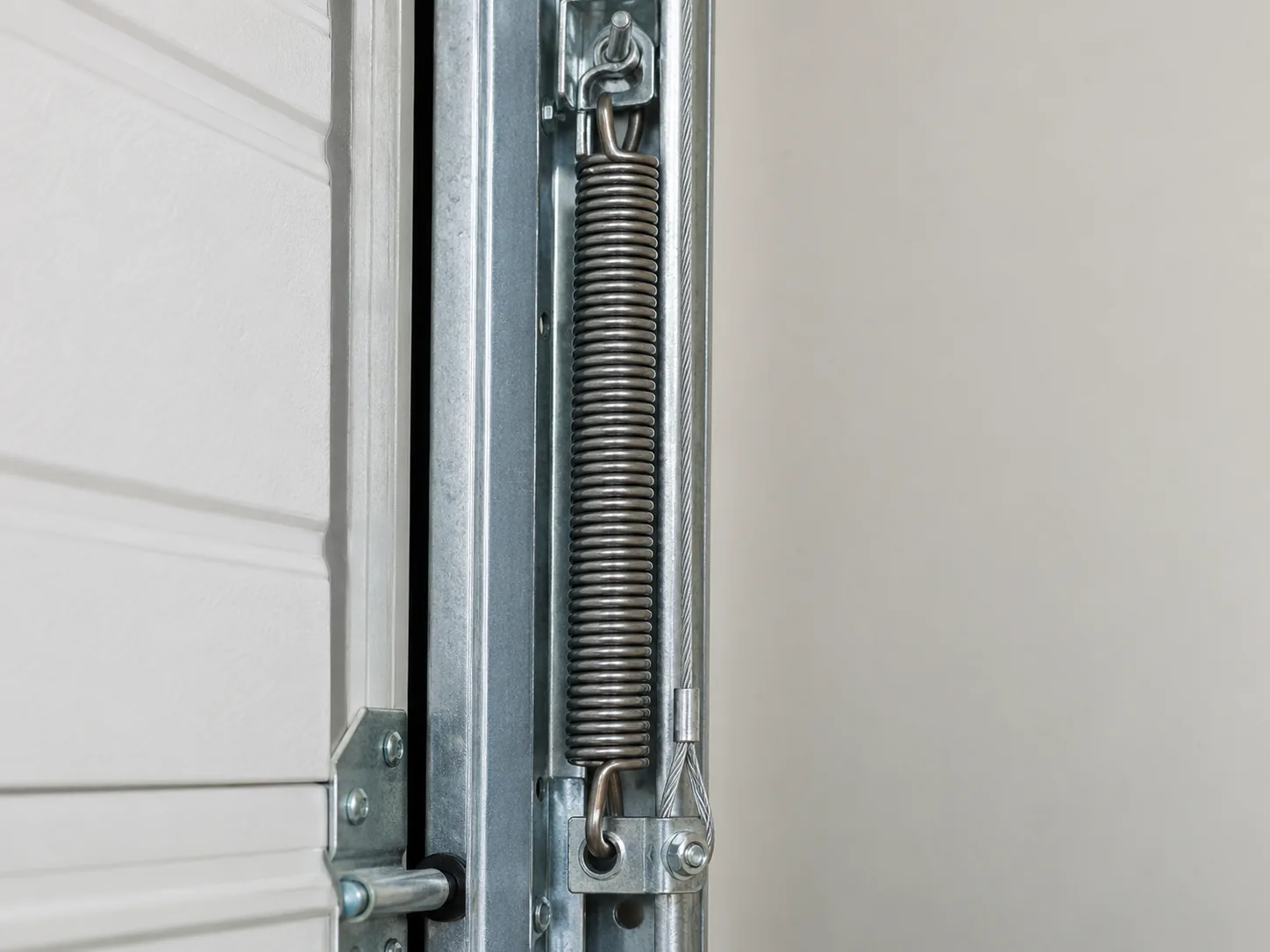
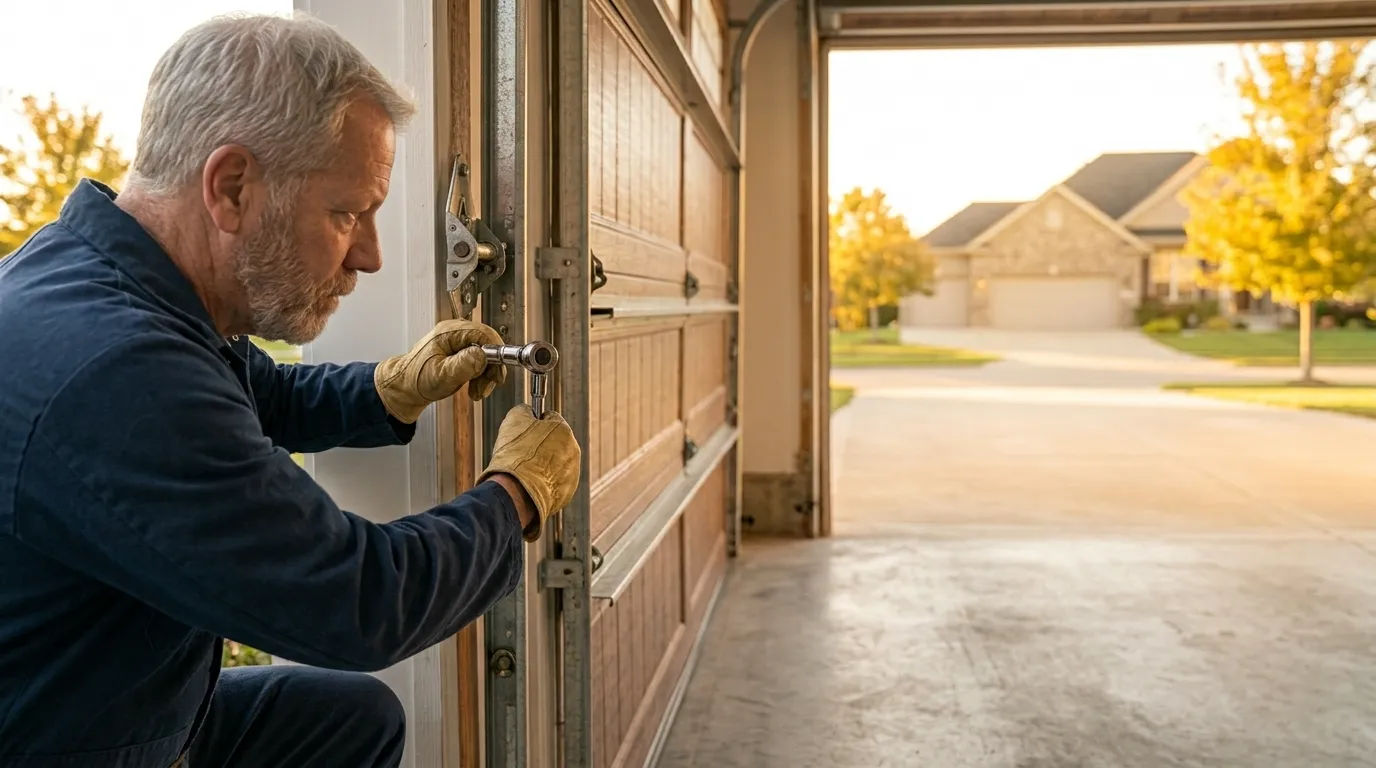
A lot of Lakewood garages still have the door that came with the house in 1957 - a single-car opening, wood or light steel, riding on a horizontal track with a pair of extension springs stretched along the sides rather than a torsion spring over the header. That's a different animal from the torsion setups in newer construction, and it's not a safe DIY fix either way. Extension springs store less force per spring than torsion, but they're usually unshielded, and a snapped one can whip the safety cable (if there even is one on an older door) hard enough to hurt you. If your door predates the safety cable requirement, that alone is worth a call rather than a trip to the hardware store. We're not going to tell you it's impossible to do yourself - we're going to tell you the parts on a house this old are often not the parts on the shelf, and guessing wrong means a second trip and a second bill.
Pricing
We don't quote a price here because it depends on what's actually on your door once we're looking at it - but the honest answer for Lakewood is that older extension-spring setups can run either cheaper or pricier than a standard torsion job, depending on whether we're matching original hardware or replacing the whole track assembly. Lakewood's median household income sits at $116,794, a bit above the wider Costa Mesa service area's $113,204, but that doesn't change what a spring costs - it just means we're not going to pad an estimate assuming you can't ask questions about it. We'll tell you upfront what's original, what's been replaced before, and what your options are before anything gets ordered.
The repair
On a 1957 single-car door, the job starts with confirming which spring failed and whether the drum-and-cable setup on that side is original or already swapped once.
Extension spring systems use two springs, one per side, and if one snapped from age the other is usually close behind - we'll generally recommend replacing both rather than leaving a 60-plus-year-old spring under tension next to a new one.
We check the track for rust pitting, since a lot of these garages sat unheated and unsealed for decades, and we check whether the safety cables are present at all, because plenty of houses this age never had them retrofitted.
Once the springs are matched to the door's weight and track pitch, we test the balance by hand before touching the opener, if there is one - some of these doors are still manual.
On the truck
We stock extension springs in the common sizes used on single-car doors from this era, along with the pulleys, drums, and safety cables that tend to fail alongside them, not just torsion springs and drums for newer double-door setups. What we can't always carry is an exact match for a track bracket or hinge pattern specific to a door that's been through fifty-plus years of small repairs by different hands - on those, we'll tell you straight whether we can adapt what's on the truck or whether the part needs to be sourced, and we won't guess at a fix that risks the door coming off true.
Local causes
Lakewood's mild coastal-adjacent climate means we're not dealing with the freeze-thaw cycling that kills springs in colder parts of the country - the failures here are almost all fatigue from age and cycle count, not weather damage.
A spring rated for a certain number of open-close cycles just runs out on a house built in 1957, especially if it's never been replaced.
We also see corrosion on the coil itself in garages that sit unsealed, since extension springs run exposed along the track rather than shielded inside a tube the way torsion springs are.
Symptoms
The door won't stay up, or it drops fast on the way down instead of settling - with an extension spring system that usually means one side has gone slack or snapped clean, and the door is now trying to travel on one spring instead of two. You might also hear a bang from the garage, or notice the door hanging crooked, higher on one side. If you're seeing that on a door this age, don't force it open or closed by hand until it's looked at; the imbalance puts stress on the opposite spring and the track hardware that's already fifty-plus years old.

Questions
No - we're based in Costa Mesa and drive out to Lakewood, about 17 miles away, for spring repair calls. We don't claim a local depot or a guaranteed same-day window for the drive; we'll give you a realistic timeframe when you call.
With Lakewood's housing stock mostly dating to the late 1950s and 60s, single-car garages very often still run extension springs on a horizontal track. Wider double-car openings added later, or doors already replaced once, are more likely to have been upgraded to torsion. We confirm on site rather than assume.
Often yes for the springs, pulleys, and cables - we carry the common sizes for that era. Brackets, hinges, or track sections that have been modified over decades of small repairs are less predictable; we'll tell you on site if a part needs sourcing rather than pretend it's on the truck.
On a door this old, if one extension spring has gone, the other is usually near the same point in its cycle life. We generally recommend replacing both at once rather than leaving a decades-old spring under tension next to a new one - it's a judgment call we'll walk through with you.
Explore more
Ready when you are
Costa Mesa Garage Door Pros repairs and installs garage doors, springs and openers in Costa Mesa, CA and the surrounding area.